

Hair Transplant Aftercare – Everything you need to know
A hair transplant is a surgical procedure, and in most cases, the actual operation is completed within a single day. However, the final result of a hair transplant is usually achieved after approximately 12 months. That doesn’t mean you’ll suddenly wake up one day with a full head of hair — it’s a gradual process that requires time and patience. Proper after hair transplant care is essential to ensure the best possible healing and hair growth outcomes.
Post-Operative Instructions After a Hair Transplant Procedure
At Anastasakis Hair Clinic, the hair transplant process does not end on the day of the procedure.
Every step — before, during, and after the hair transplant — is carefully designed to provide the patient with an exceptional overall experience. Similar scientific protocols and standards, following the guidelines of the ISHRS and ABHRS, are applied by only a handful of hair transplant clinics worldwide, primarily in the USA, Canada, and the UK. In summary, after the procedure is completed, each patient receives detailed post-operative instructions both verbally and in writing, along with a special care kit containing everything needed for the recovery period. A member of the medical staff is available 24/7 for any concerns, and Dr. Anastasakis, the hair transplant surgeon, personally calls each patient the morning after the procedure. The patient returns to the clinic for the first hair wash, according to individualized instructions, and follows a structured follow-up protocol up to day 10–15. The regrowth process is monitored at 1 month, 3 months, 9 months, and 12 months, with in-clinic follow-up appointments typically scheduled at 9 and 12–14 months.
Step-by-Step Post-Transplant Follow-Up at Anastasakis Hair Clinic
Upon completion of the hair transplant procedure, each patient is assigned a dedicated nurse, who provides detailed, personalized instructions for the following days regarding care of the treated area and what precautions to take.
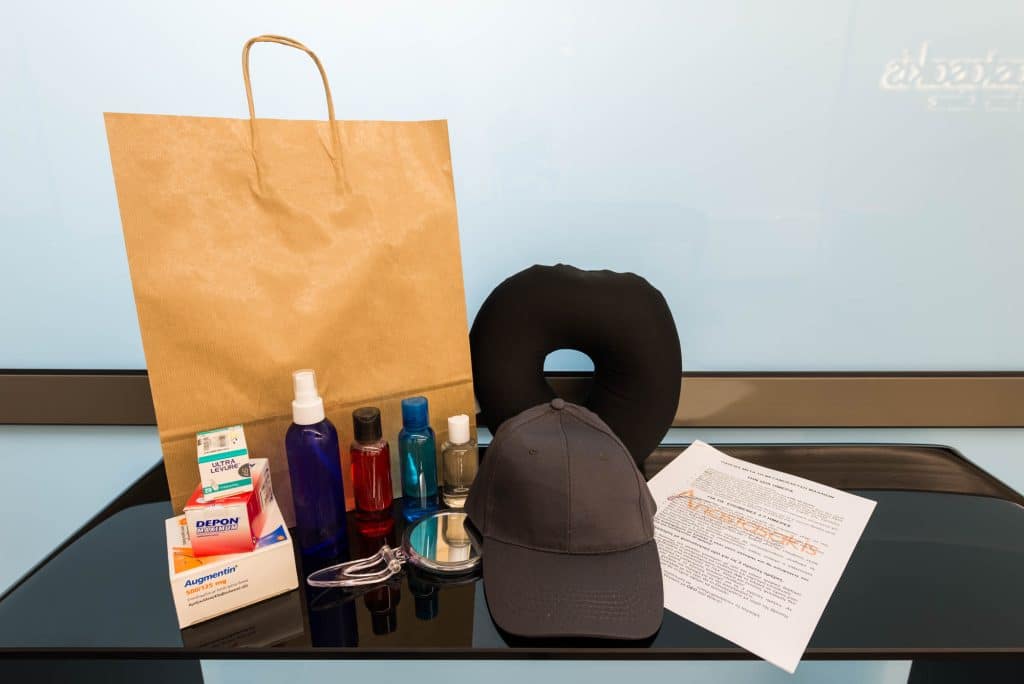
These instructions are also provided in printed form, so the patient can refer to them at any time. Along with the instructions, the patient also receives a post-operative kit that includes everything needed for the first few days — such as a neck pillow for sleeping, a protective cap, and more. It also contains the full course of medication, a special shampoo, and a spray with a nourishing 10% liposomal ATP® solution, which helps accelerate healing and hair regrowth.
After the procedure is complete, the patient leaves for home with peace of mind, knowing that everything they’ll need has already been thoughtfully provided. Most importantly, the patient is assigned a dedicated nurse, who is available 24/7 and can be contacted at any time for questions or clarification. This nurse monitors the patient’s progress and keeps the doctor informed.
This level of care gives the patient a strong sense of security after undergoing a hair transplant. They don’t feel alone in the process they know there’s someone they can turn to at any time, ready to support them in whatever they may need.Finally, at the end of the procedure, a session is performed using the new Capillus 272 OfficePro LLLT (Low-Level Laser Therapy) device, which promotes better healing of the donor area and faster growth of the transplanted grafts.
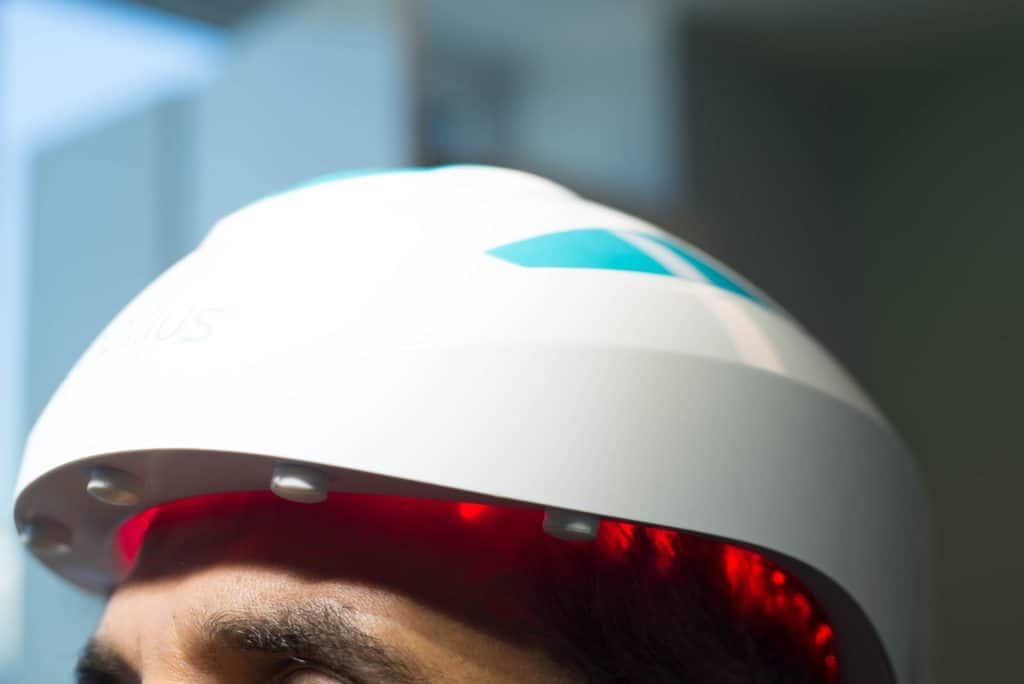
What to Expect After a Hair Transplant at Anastasakis Hair Clinic
aiting for your new hair to grow back can be both exciting and a little nerve-wracking! That’s why we encourage our patients to stay in touch with us throughout this period, so we can help them understand what to expect after their hair transplant procedure at Anastasakis Hair Clinic. On the day of the procedure, some extra care is needed, as there may be temporary numbness in the treated area. Full sensation typically returns by the following morning. Once the patient leaves the clinic, rest is recommended for the remainder of the day. In the first few days, some caution is needed, but patients gradually resume normal activities in the days that follow.
However, it’s important to avoid alcohol, smoking, or any non-prescribed medications, supplements, or herbal products for a few days — except for what has been specifically provided or approved by the clinic.
The Post-Operative Period of hair transplantation

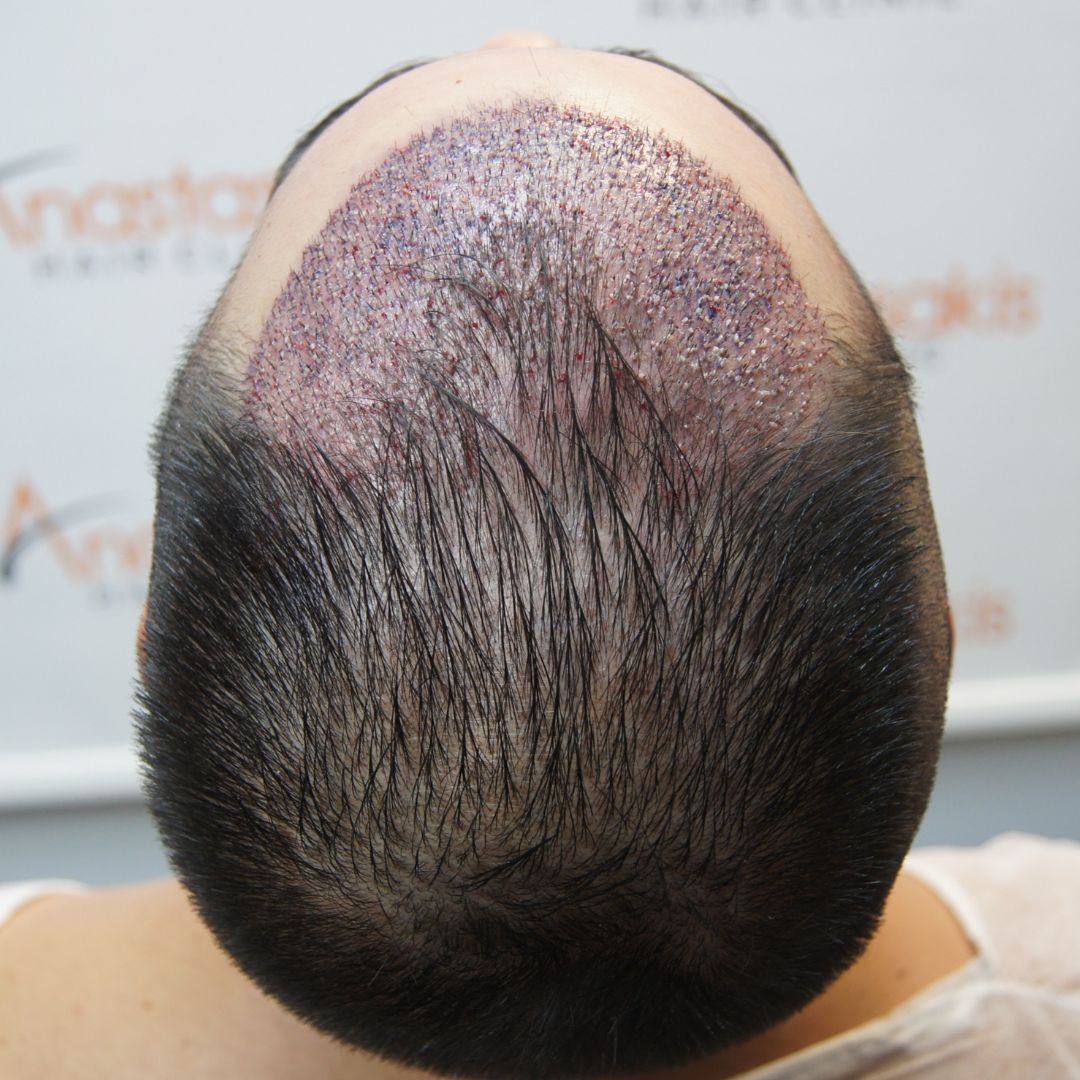
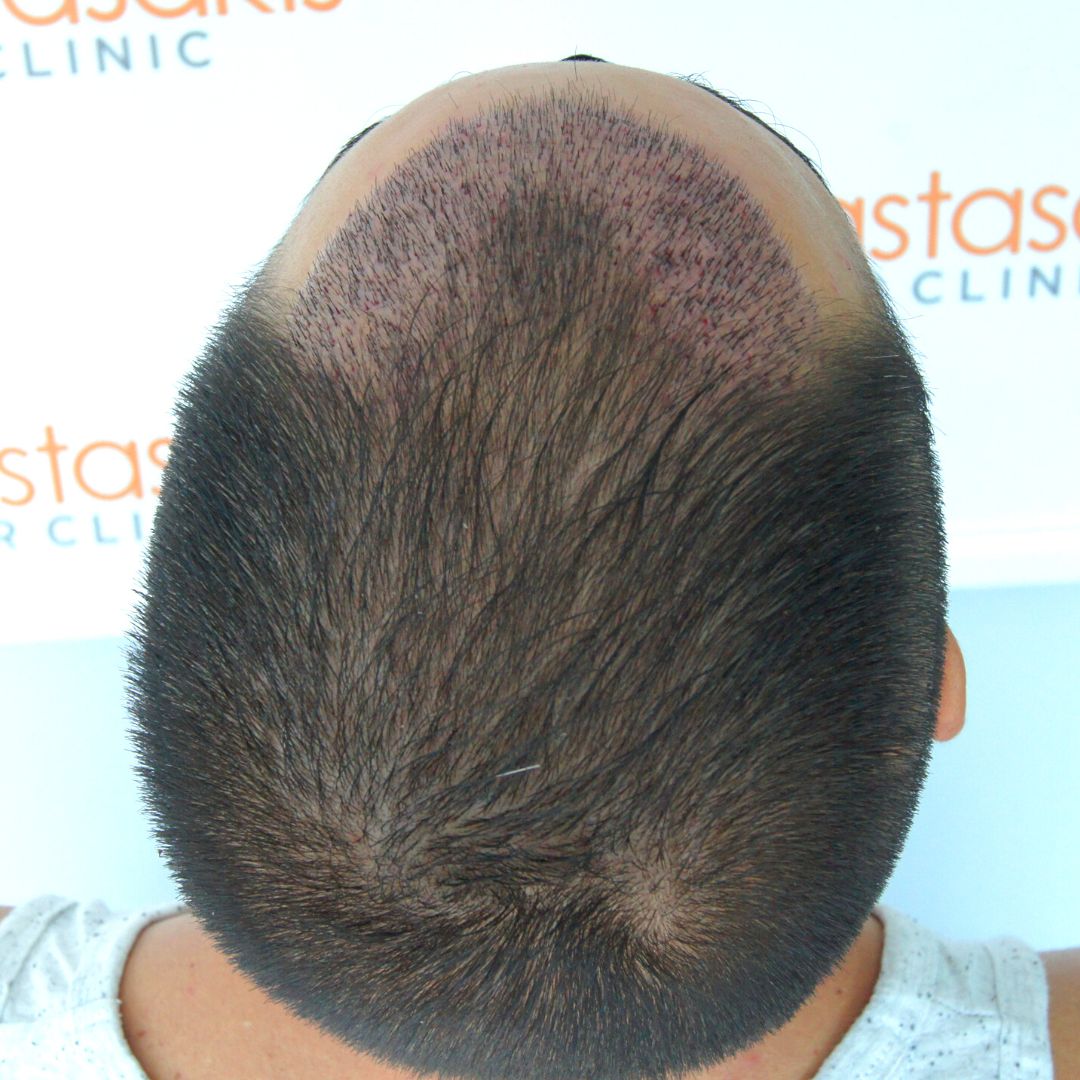 Fig. 3: Hair transplant patient case at Anastasakis Hair Clinic, shown before, immediately after, and 5 days post-procedure.
On the 4th day after the procedure, the patient returns to the clinic for a hair wash and to address any questions they may have about the correct washing technique, which they will need to repeat daily according to the instructions they’ve been given. Proper washing helps the recipient area clear more quickly of scabbing, allowing the newly implanted hair follicles and new hair to begin emerging. During this visit and always based on the patient’s condition additional instructions may be provided, and if necessary, a follow-up visit may be scheduled within the next five days. If the hair transplant was performed using the FUT technique, suture removal from the donor area is done after the 10th day. Progress updates on the recovery are handled directly with the assigned nurse, sparing the patient any hassle or unnecessary effort.
During the first 15 days, follow-up focuses on the smooth progression of the immediate post-operative phase. After that, and until the final result is achieved, monitoring focuses on the regrowth process. This ongoing follow-up in which the patient’s participation is essential is highly valuable both for the doctor and the patient, as it maintains continuous communication all the way through to the final outcome.
The Stages of Healing and Hair Regrowth
Once the hair transplant procedure is complete, the healing process begins as early as the next day in both the donor and recipient areas. The faster and healthier the recipient area heals, the greater the success rate of the transplant. For this reason, at Anastasakis Hair Clinic, we provide patients with everything they need to ensure optimal healing and smooth regrowth. The first step in recovery involves the application of a liposomal ATP® nutrient spray to the recipient area during the initial days. Liposomal ATP® is a powerful vasodilator for the skin’s blood vessels, increasing scalp blood flow in the area of application. In addition, the lipid vesicles in the ATP are absorbed by the cells and act as an ideal energy substrate for their regeneration. These properties of ATP contribute to faster and more complete restoration of the area’s health.
Post-Transplant Hair Washing Instructions
Proper washing plays a key role in effectively cleansing the area and promoting faster healing. Patients receive detailed written instructions, and their dedicated nurse provides guidance on how to wash their hair correctly until their first post-operative visit on the 4th day. Around the 4th day after the procedure, the patient returns to the clinic for a supervised hair wash.

This gives us the opportunity to demonstrate the correct washing technique for both the donor and recipient areas, which the patient should follow over the coming days.The goal is that by day 10 after the transplant, the area is completely free of scabbing.
By washing correctly and following the doctor’s simple instructions, the vast majority of patients complete this phase within the expected timeframe.At this stage, the regrowth process has already begun beneath the surface of the scalp. Some of the hairs that were transplanted along with the follicles will naturally shed to make way for new, healthy hairs. From this point forward, they will continue to grow and follow the normal hair growth cycle, just as they would have in their original location on the scalp.
When Will the First Results Be Visible in the Transplanted Area?
At Anastasakis Hair Clinic, we ensure that our patients benefit from all the latest technological advancements that can support the success of their hair transplant. Our experience, combined with constant innovation and the integration of modern techniques and protocols, allows us to observe significant hair regrowth as early as 6 months post-procedure. Nature guarantees the permanence of transplanted hair follicles—that is well known.
However, with the help of scientific and technological improvements, we are now able to offer up to 98% graft survival, faster healing and regrowth, and ultimately a result that is dense, long-lasting, and completely natural in appearance.Most patients begin to see visible regrowth between 2 to 4 months, while the final result is typically achieved by 12 months. Since each individual is different, the timing of regrowth and the full outcome of a hair transplant can naturally vary from person to person.

Proper aftercare is vital to ensure the best possible new hair growth and healing. Following detailed aftercare instructions helps protect the newly implanted hair follicles and supports a smooth recovery process.
Hair Transplant Techniques: Understanding FUE Hair Transplant and Donor Area Management
The FUE hair transplant technique involves extracting individual hair follicles from the donor area and implanting them into the recipient area. Proper care of the donor area is crucial to prevent infection and promote healing.
Hair Growth and Hair Shedding: What to Expect Post-Transplant
After the procedure, patients may experience hair shedding, which is completely normal and part of the hair growth cycle. New hair follicles will then begin to grow naturally, leading to visible hair growth over time.
Aftercare Advice: Avoiding Hair Styling Products and Hair Dryers
During the initial recovery period, it is important to avoid hair styling products and hair dryers, as harsh chemicals and heat can damage the vulnerable transplanted follicles. Use only mild shampoo and gently wash the entire scalp with lukewarm water as per the aftercare instructions.
Protecting Your Hair: Tips on Using Hair Products and Maintaining Healthy Hair Growth
Choosing the right hair products is essential after a hair transplant. Avoid harsh chemicals and opt for gentle, nourishing products that support scalp health and allow hair to grow naturally.results here
Understanding these individual differences, we follow a structured follow-up protocol at Anastasakis Hair Clinic to closely monitor each case and ensure optimal progressin every hair transplant. Regrowth is evaluated at 1, 3, 9, and 12 months, with an in-clinic visit usually scheduled around month 9.
A final follow-up appointment may also be arranged at 12–14 months, depending on the patient’s preference. Of course, during this entire period, the patient is always welcome to contact their assigned nurse for any questions or concerns they may have.
The Progression of Hair Regrowth After a Hair Transplant Surgery


Most patients start to see the first signs of hair regrowth after the 2nd month, with visible results becoming noticeable around month 4. By month 6, new hair growth reaches approximately 50% to 70%, and by the 12th month, the transplanted hair has fully matured.
This timeline represents the normal healing and reflects the life cycle of hair follicles as they transition from resting to active growth. Patients often notice that their native hair and transplanted hair grow together harmoniously, creating a uniform, natural density.
At Anastasakis Hair Clinic, we emphasize that patience is key: the healing process and hair growth are gradual but steady. The donor area becomes completely healed within a few weeks, while the transplanted area continues to strengthen as the new hair follicles take root.
Hair loss is a common concern that leads many to seek hair transplantation. Our clinic specializes in addressing hair loss with advanced techniques that restore natural hair growth. Proper aftercare is crucial to prevent further hair loss and to support the growth of healthy new hair follicles. Patients experiencing hair loss can trust that our expert team will guide them through every stage of the hair transplant recovery process to achieve the best possible results.
Continuous Follow-Up and Personalized Care
Understanding that every patient’s journey is unique, Anastasakis Hair Clinic follows a structured long-term monitoring plan. Hair growth is evaluated at 1, 3, 9, and 12 months after surgery, with an in-clinic visit typically around month 9. Additional follow-up appointments may be scheduled depending on the patient’s needs and healing progress.
Our medical team maintains close contact with each patient to ensure the healing process remains smooth and the transplanted area continues to produce strong new hair. This ongoing communication gives patients peace of mind and ensures optimal results from their hair transplant surgery.
The Anastasakis Hair Clinic Promise
At Anastasakis Hair Clinic, we combine advanced technology, extensive experience, and patient-centered care to deliver consistently outstanding outcomes. With expertise in both FUE hair transplant surgery and FUT hair transplant techniques, we achieve natural density, fast recovery, and healthy hair growth.
Our scientific approach ensures that every transplanted follicle contributes to a long-lasting, aesthetically perfect result. Whether you’re seeking to restore your hair density, repair a previous procedure, or learn more about post hair transplant surgery care, our specialists are here to guide you every step of the way.
 0
0