

From Ancient Myths to Modern Science: Can Stress Really Cause Hair Loss?
Since antiquity, there have been “legends” of well-known historical figures who, following a traumatic emotional shock, either turned grey or lost their hair “overnight.” Even today, it remains unclear whether psychological stressors can directly cause hair loss or the sudden appearance of grey hair.
However, we frequently encounter people who are absolutely convinced that they are losing their hair due to excessive stress, anxiety, or emotional tension.
But how much truth is there to this belief?
What Is Stress—Really?
Scientifically speaking, stress refers to any stimulus—internal or external—that triggers a general or localized response in the body in order to protect itself or adapt to the stressor.
In simple terms, stress is the biological process your body undergoes to adjust to any new situation, whether it stems from external factors (e.g., danger) or internal ones (e.g., fever, hunger).
In essence, stress is a biochemical phenomenon that prompts the body to release hormones like adrenaline, cortisol, and others that affect nearly every system in the body. These chemical changes can worsen or even trigger inflammation, autoimmune conditions, and allergic reactions.
So, when most people think of stress as simply that “tight feeling in the chest” or the shortness of breath they experience in tense situations, they’re actually describing the physical symptoms of stress—not stress itself
Stress and the Skin
The skin is, in fact, a fully functional organ—the largest in both size and weight in the human body. It is closely connected to the body’s hormonal balance and responds not only to continuous external stimuli (as it is in constant contact with the environment), but also to internal psychological triggers.
Some individuals experience immediate skin reactions when stressed, such as redness, hives, or intense itching. These are among the most common psychosomatic manifestations of stress.
In addition, many experts believe that stress can activate a series of complex mechanisms within the skin that may trigger or exacerbate a variety of skin conditions, such as:
- Atopic dermatitis
- Psoriasis
- Seborrheic dermatitis
- Chronic urticaria
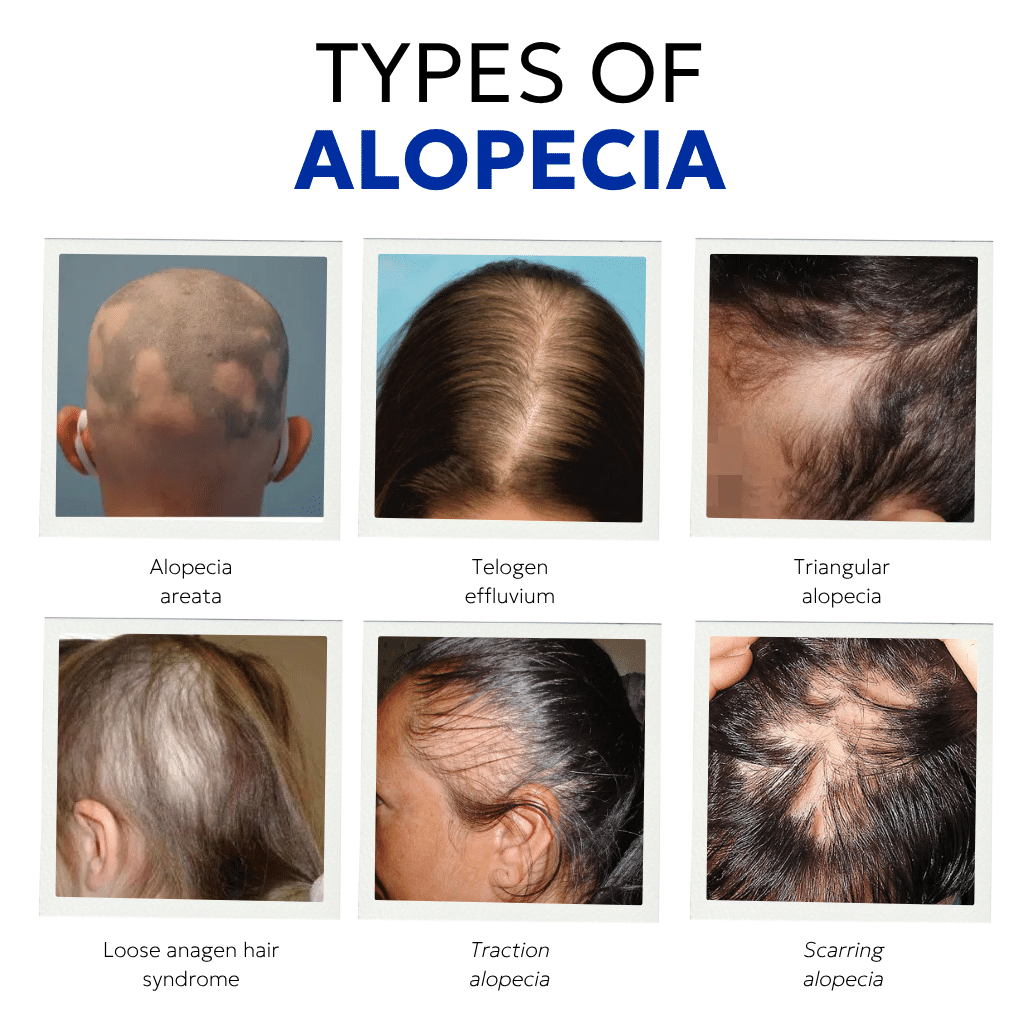
- Alopecia areata
- And others
In recent years, a specialized field known as Psychodermatology has emerged. This discipline focuses specifically on skin disorders that originate or worsen due to psychological factors.
However, an important question remains:
Can stress actually cause hair loss or influence the progression of androgenetic alopecia?
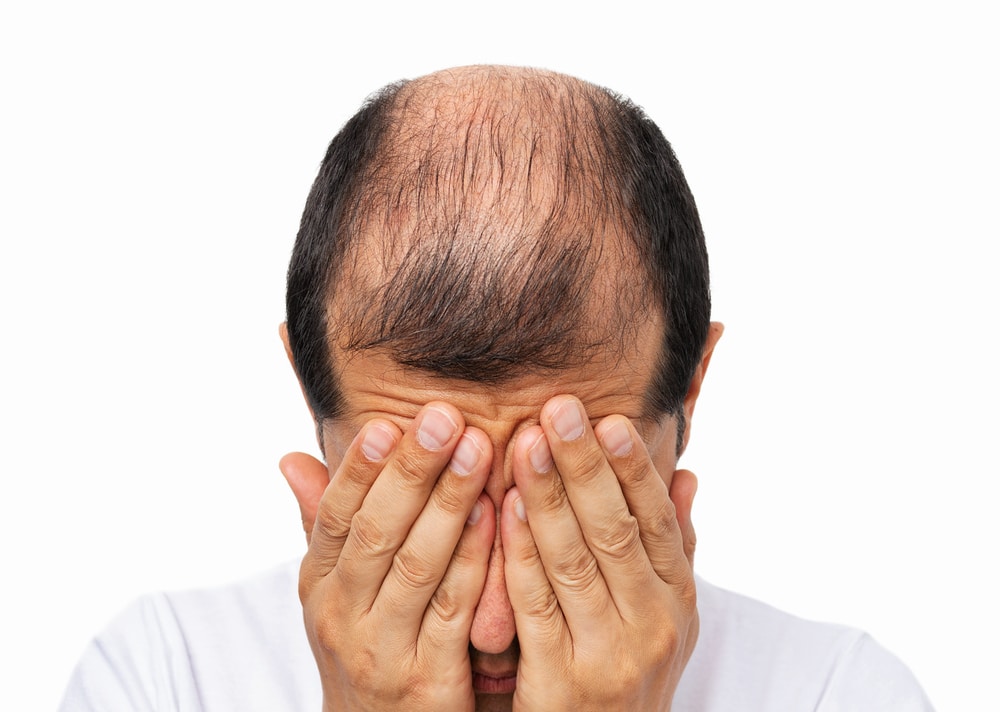
Stress and Hair Loss
What has been scientifically confirmed so far is that physical stress caused by major surgery, serious trauma, high fever, acute or chronic systemic illness, or significant blood loss can indeed lead to hair loss—typically observed 2–3 months after the stressful event.
But what about emotional stress, such as grief from a personal loss or performance anxiety at work?
The relationship between emotional stress and hair loss remains controversial, and it is not widely accepted that everyday psychological stressors are capable of directly triggering hair loss.
In theory, emotional stress could contribute to hair loss in three possible ways:
- It may induce hair loss
- It may worsen existing hair loss
- Hair loss itself can become a stressful experience, which in turn exacerbates the condition, creating a vicious cycle
However, from a clinical perspective, there is no clear evidence that emotional stress (such as job stress, a breakup, or the death of a loved one) directly triggers hair loss. Similarly, there is no proven mechanism by which stress hormones affect the progression of androgenetic alopecia.
This is because, as repeatedly emphasized, androgenetic alopecia is driven by genetic and hormonal factors, not emotional ones.
Many people believe they lost their hair because of stress. In reality, those who are genetically predisposed to androgenetic alopecia may notice hair thinning for the first time during a psychologically intense period, leading them to incorrectly attribute it to stress. However, the hair loss had already begun earlier—they just hadn’t noticed it before.
The good news:
If someone experiences hair loss following a period of emotional stress, it is almost always temporary, and the hair will grow back.
People without androgenetic alopecia may indeed shed some hair during stressful times—but this hair always returns within a few weeks.
In summary:
Stress does not cause androgenetic alopecia, nor can it accelerate it. Ever.
So when it comes to your hair, feel free to stress out—your hair won’t mind!
That said… it’s always best not to stress too much—for your overall health.
 0
0