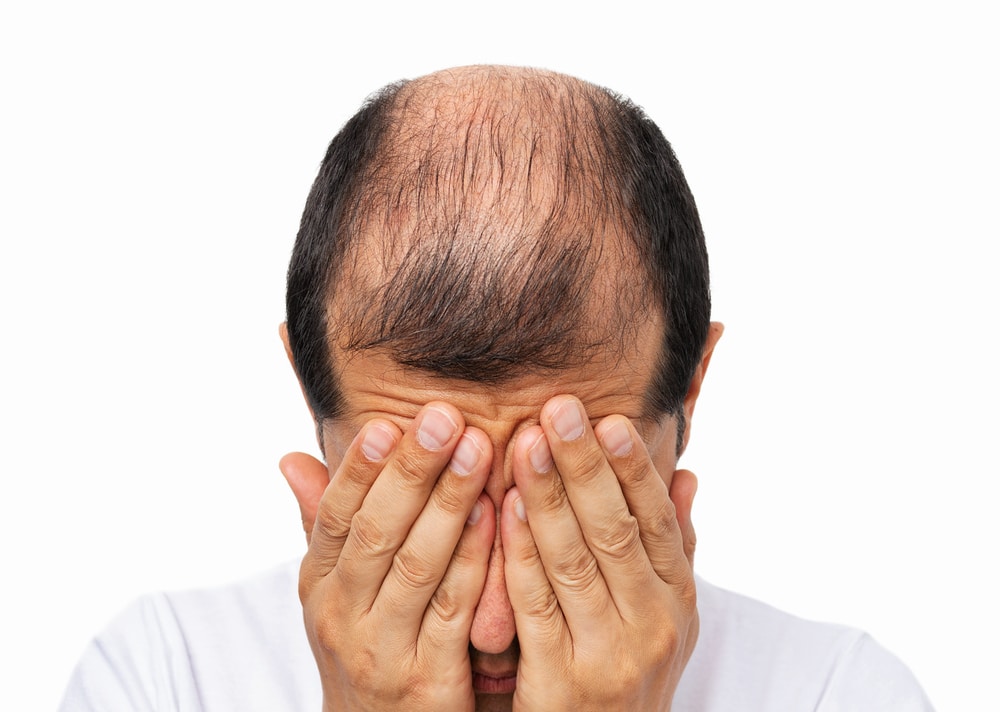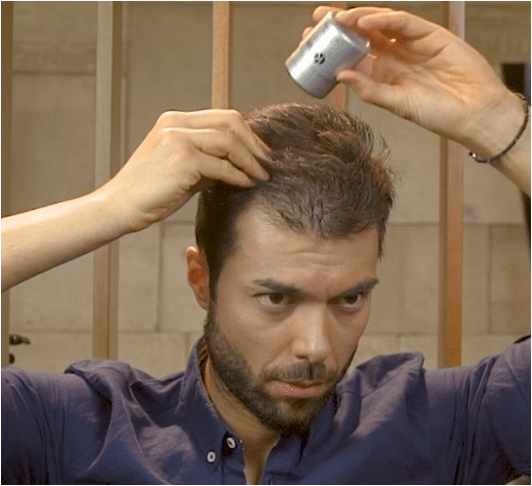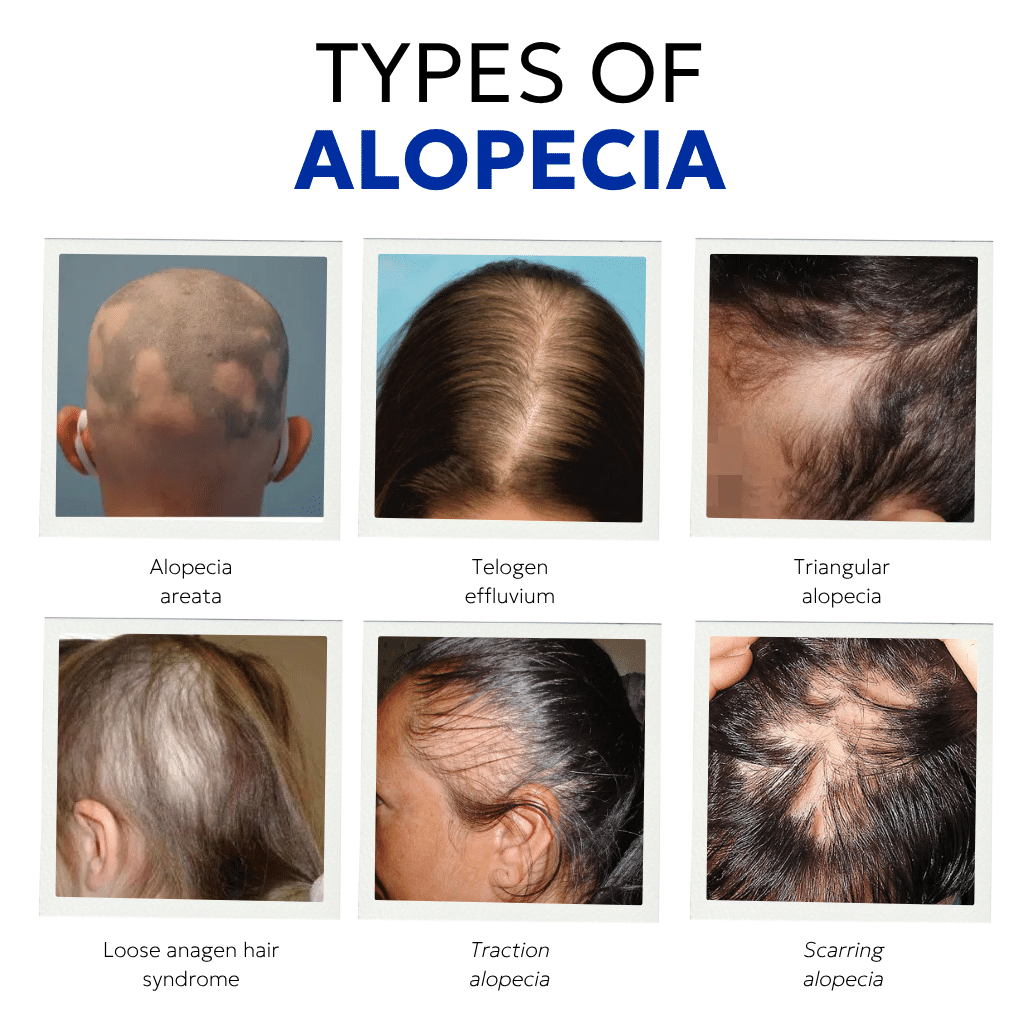


The most common cause of hair loss in both men and women is not scarring alopecia, but androgenetic alopecia, followed in second place by alopecia areata. Both of these types of alopecia are characterized by the miniaturization of hair follicles, which results in these follicles ceasing to produce healthy, pigmented terminal hairs. Fortunately, the bulb (root) of the hair follicle is not destroyed in either androgenetic or alopecia areata.
Therefore, with early diagnosis and appropriate medical treatment, hair loss can be halted. These follicles have the potential to regenerate and resume producing thick, pigmented, and normal terminal hairs.In contrast, scarring alopecia encompasses a group of hair loss disorders in which the hair follicles are permanently destroyed and replaced by fibrous tissue.

Regeneration of hair follicles in scarring alopecia is prevented due to the destruction of the follicular stem cells. When the causes are internal (i.e., related to various skin or systemic diseases), scarring alopecia is classified as Primary. Primary scarring alopecias are further divided into
Lymphocytic types: Lichen planopilaris (Brocq), localized scleroderma, lupus erythematosus, central centrifugal cicatricial alopecia, sarcoidosis, follicular mucinosis, dissecting (perifolliculitis) folliculitis, viral infections, herpes zoster
Neutrophilic types: Dissecting (perifolliculitis) folliculitis, bacterial infections, dermatophytosis (fungal infections), leprosy, syphilis, folliculitis, acne
Mixed types: Keloidal acne, necrotizing folliculitis/acne, erosive pustular dermatosis
Nonspecific: Skin aplasia, nevi, porokeratosis, ichthyosis, Darier’s disease

Secondary Scarring Alopecia: What You Need to Know
When the causes are external (e.g., burns, trauma, radiation, or tumors), the condition is referred to as Secondary Scarring Alopecia. In these cases, scarring alopecia is irreversible; however, it results from factors that do not directly destroy the hair follicle, meaning that follicle damage occurs as a collateral consequence.
Secondary scarring alopecia includes cases caused by:
- Exogenous factors: injuries, burns, radiotherapy, medications
- Malignancies: basal cell carcinoma, squamous cell carcinoma, metastatic carcinomas
- Immune reactions: sarcoidosis, lipodermatosclerosis, localized scleroderma, psoriasis
- Blistering diseases: bullous epidermolysis, cicatricial pemphigoid
- Hamartomas: organoid nevus
- Miscellaneous: lipedematous alopeci
Clinical Presentation of Scarring Alopecia
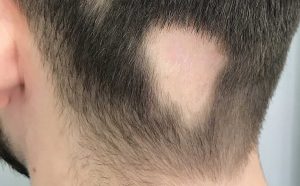
Individuals affected by scarring alopecia present with one or more patches on the scalp where there is a complete absence of hair.
In these areas, there is a total loss of hair follicles, replaced by scar tissue. The skin appears smooth and shiny, with no visible pores. These patches on the scalp may remain separate or gradually merge into larger areas, potentially leading to total alopecia.

Key Features of Scarring Alopecia The main characteristics of scarring alopecia include hair loss accompanied by smooth, atrophic, and scarred skin in the affected area. In some cases, hair loss progresses gradually and without symptoms, making diagnosis challenging. However, in certain instances, the inflammation can be intense, causing itching, burning, and pain
How Is Scarring Alopecia Diagnosed?
The best opportunity to diagnose primary scarring alopecia is during its early stages when inflammation is evident. Diagnosis is made through clinical examination and confirmed by a biopsy taken from one or more inflamed areas.
Detailed Medical History
 A thorough and comprehensive medical history is essential. This should include information such as the age at which hair loss first appeared, any history of dermatological conditions like lichen planus, lupus erythematosus, or other autoimmune diseases, the patient’s ethnicity, and the hair products they have used. Previous treatments followed by the patient, along with any symptoms such as pain, itching, or burning sensations on the scalp, will all help the physician determine the cause of scarring alopecia and recommend the appropriate treatment based on the condition.
Clinical Examination
During the clinical examination, the use of a magnifying lens is indispensable. First, to check whether the pores are visible, and second, to identify any skin lesions such as folliculitis, purulent discharges, areas of rough or scaly skin on the scalp, blisters, or other abnormalities.
What Treatment Options Are Available for Scarring Alopecia?
The treatment approach for scarring alopecia depends on its type and underlying causes. The physician prescribes the appropriate medication tailored to the patient’s condition. Conservative management typically includes:
- Steroids
- Azathioprine
- Topical or systemic administration of cyclosporine
- Intralesional or intramuscular steroid injections
- Topical minoxidil
- Antimalarial drugs, alone or combined with systemic steroids
- Thalidomide
- Antibiotics
Surgical intervention is also an option but only when the disease has been inactive for several years or in cases of secondary scarring alopecia caused by trauma, burns, or similar factors. Surgical options include:
Excision of the Alopecic Area:
This involves removing a segment or the entire affected area, followed by careful suturing of the edges to avoid tension. This procedure is a subtype of scalp reduction.
Scalp Reduction:
The scalp reduction technique involves the gradual removal of sections of scalp that lack hair follicles, followed by suturing the two edges together to reduce the overall bald area. If the scarred alopecic region is limited in size, scalp reduction can completely eliminate the bald patch. For larger affected areas, scalp reduction helps decrease the total bald surface, allowing for subsequent hair transplantation or coverage with scalp micropigmentation. The elasticity and mobility of the scalp are crucial factors for the successful application of this technique.
Flap Transposition:
This procedure entails removing a portion of the scalp and relocating it to the area affected by scarring. This method achieves aesthetic restoration of the region. It is a highly specialized technique reserved for very specific cases.
Scalp Micropigmentation (SMP SC™ – Scar Camouflage) and Cicatricial Alopecia
Scalp Micropigmentation (SMP) is an innovative technique for restoring scalp density. It is an advanced method of scalp tattooing performed with highly specialized equipment, using medically certified pigments precisely injected into the scalp. The SMP SC™ (Scar Camouflage) technique is specifically designed to restore density in areas affected by scarring on the scalp. SMP SC™ can deliver truly outstanding results, significantly improving the appearance of individuals with scalp scars, regardless of their size or extent. In cases of cicatricial alopecia, Scalp Micropigmentation can be seamlessly combined with hair transplantation for optimal aesthetic restoration.
Hair Transplantation and Cicatricial Alopecia
In certain cases, bald areas caused by cicatricial alopecia can be covered with hair transplantation. However, because cicatricial alopecia involves the formation of scar tissue, the affected area is characterized by reduced elasticity and diminished blood flow. These factors can negatively impact the survival of transplanted grafts.
For this reason, we initially use the FUE (Follicular Unit Extraction) method to transplant a small number of hair follicles into the scarred area. This allows us to evaluate whether the grafts survive and grow normally. If the results are positive, a subsequent session can be performed to cover the area more extensively through hair transplantation
 In humans, hair follicle neogenesis occurs almost exclusively in the womb. Therefore, any hair follicle destroyed by cicatricial alopecia cannot be regenerated or produce new hair. Early diagnosis of the underlying skin condition causing cicatricial alopecia, combined with a specifically tailored treatment plan based on the individual case, can be crucial in preventing extensive destruction of hair follicles.
 0
0