


Medical tourism for hair transplantation has seen tremendous growth in recent years.
More and more people are choosing to travel abroad for surgical procedures, combining their medical treatment with a short vacation. Hair transplantation is no exception. In fact, it has become one of the most sought-after procedures in the field of medical tourism, with many patients actively searching for hair transplant clinics in other countries.
But before you start packing your bags, it’s worth asking yourself a few important questions:
How safe is this option, really?
What risks are involved—particularly when it comes to hair transplantation performed as part of a medical tourism trip?
And most importantly, is there a way to protect yourself from potential complications?
Hair Transplant Medical Tourism: When Cheap Becomes Costly
In an ideal world, every hair transplant clinic would operate within fully equipped surgical suites, staffed by highly trained hair transplant surgeons, and uphold the highest ethical and medical standards. Unfortunately, reality tells a different story.
Some so-called “clinics,” driven by quick profit, advertise cheap hair transplants performed by so-called “experts.” Through unethical practices—such as misleading marketing or showcasing the credentials of a qualified physician who may never actually perform the procedure—they lure unsuspecting patients into trusting them.
These clinics often promote flashy “all-inclusive” packages, featuring luxury 5-star hotels, private guided tours, and VIP transportation. Hidden within all this, however, is a major red flag: the actual hair transplant procedure takes place in shared clinic spaces, with multiple patients (sometimes 4, 8, or even 10!) undergoing surgery at the same time in the same room.
Worse still, these procedures are frequently performed not by licensed doctors, but by unqualified, non-medical staff. The results? Often poor—and sometimes permanently disfiguring.
The Internet Boom Has Fueled the Rise of the Hair Transplant Black Market

The rapid growth of the internet has given black-market clinics a free pass to advertise unchecked. These clinics aggressively market themselves, promising “miraculous techniques” that are painless, scar-free, and capable of transplanting an “unlimited number of grafts”. And all this—of course—at shockingly low prices.
But these clinics focus solely on reducing the “cost” of hair transplantation, sacrificing patient safety, long-term results, and medical ethics in the process.
What makes the situation even more concerning is the lack of regulatory frameworks in many countries defining who is legally allowed to perform hair transplant surgeries. For example, Turkey has become the most popular destination for medical tourism in hair transplantation, primarily due to its heavily advertised low prices.
In Istanbul alone, there are reportedly over 700 hair transplant clinics. However, less than half of them (around 300) are officially registered. Even more alarming is the unknown number of unlicensed, underground operations. Of the registered clinics, only 33 are led by physicians who are members of the International Society of Hair Restoration Surgery (ISHRS).
Recent reports have revealed that in some of these Turkish clinics, unqualified, non-medical personnel are illegally performing hair transplant procedures inside private hospitals or makeshift clinics—posing serious risks to patients’ health and appearance
Non-Medical Hair Transplant Tourism: A Dangerous Illusion of Luxury
Take a moment to think: if every part of a medical tourism package is wrapped in luxury, how can the overall price—including a surgical procedure—be so low? Where is the cost being cut? Unfortunately, exactly where it shouldn’t be.
These procedures are often performed in non-sterile, unsafe environments that fall far short of accepted medical standards. Worse, they are carried out by cheap, unqualified personnel, simply because a non-doctor costs the clinic far less than a licensed medical professional.
But a hair transplant is a medical surgery—and should be treated as such, regardless of how others try to market it.
Would you ever allow someone who isn’t a doctor to operate on you for any other medical condition?
Why should hair restoration be any different?
When patients undergo hair transplant surgery performed by non-physicians, they are exposed to serious risks: misdiagnosis, failure to detect underlying hair or systemic disorders, and being surgically treated when they are not even candidates.
At best, this results in poor growth or disappointing outcomes.
At worst, patients end up with:
- Severely damaged donor areas
- Infections that require extensive treatment
- Visible scarring or unnatural results
- And most significantly, an enormous psychological toll
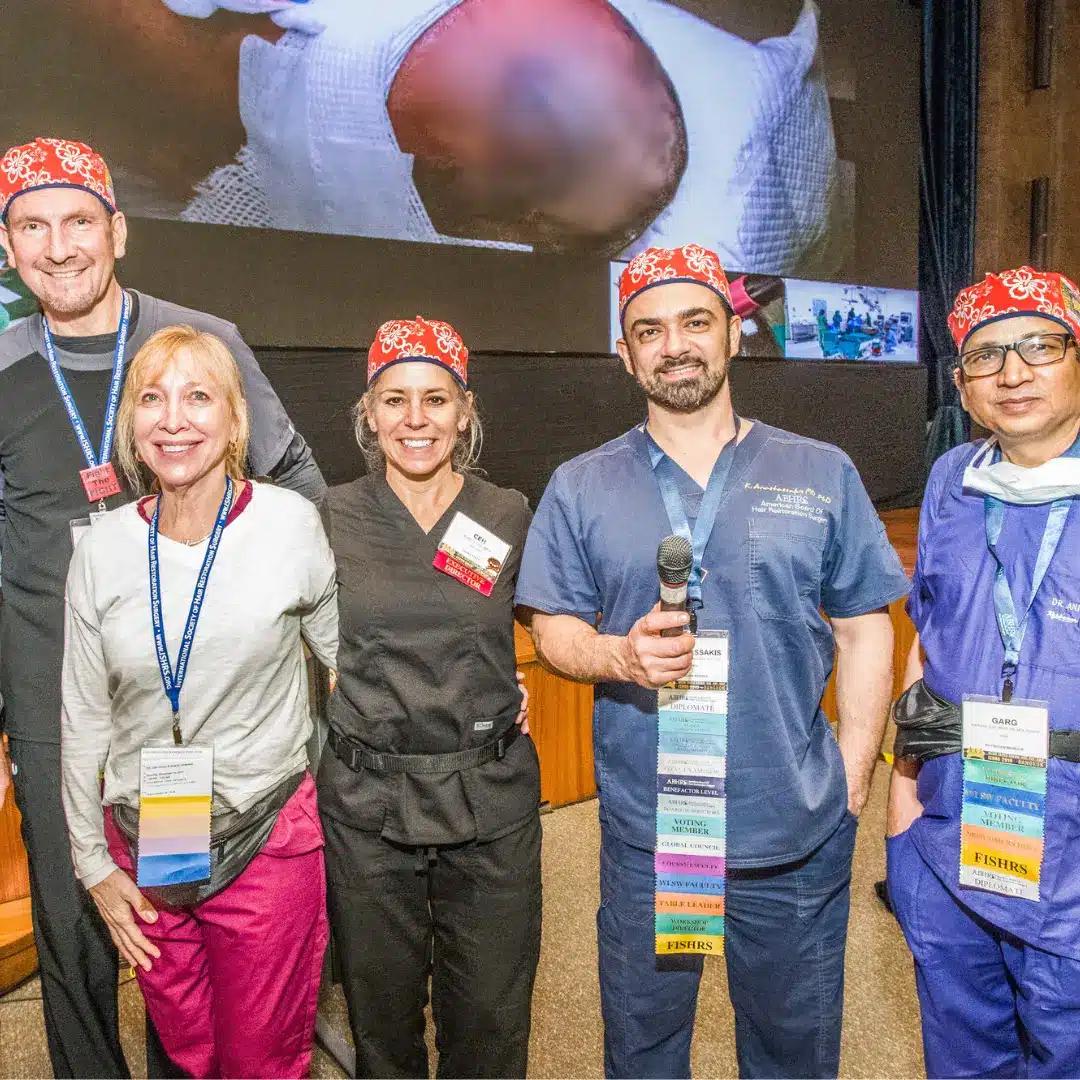
The International Society of Hair Restoration Surgery (ISHRS) strongly condemns this trend, emphasizing that such practices endanger both patient safety and surgical results. Through global campaigns, the ISHRS continues to raise awareness—not just among patients, but also among governments and regulatory bodies worldwide
Questions to Ask Before Your Hair Transplant Trip
- Do your homework.
If you’re considering combining a hair transplant with a trip to a country you’ve always dreamed of visiting, go for it—but only under the right conditions. No one wants to be deceived, and it’s not easy to determine whether a clinic or doctor advertising in another country is truly legitimate.
That’s why the International Society of Hair Restoration Surgery (ISHRS) urges prospective patients to go beyond asking about cost, potential risks, expected outcomes, treatment plans, or graft distribution strategies. You should always ask the following critical questions:
✅ Who will diagnose my condition and recommend a treatment plan?
- What are their medical qualifications?
- Are they a licensed physician?
- What specific training and experience do they have in hair restoration?
✅ Who will be involved in performing the hair transplant?
- What is their exact role?
- What is their medical background, training, and experience in hair transplantation?
✅ Will any non-medical personnel be involved in harvesting or implanting grafts?
- If yes, who exactly are they, and what legal authority (if any) do they have to participate in a surgical procedure?
You should obtain answers to these questions well before booking your trip.
Even if you receive satisfying responses in advance, ask the same questions again during your pre-surgery consultation with the physician who will be performing the procedure.
If a doctor is unwilling to answer your questions or avoids providing transparent, detailed information, consider it a serious red flag. This may be a sign that the clinic does not follow proper medical or ethical standards.
- Trust your instincts.
Don’t rush into a decision just because the price seems attractive. A poor decision now could lead to a failed hair transplant, with long-term consequences, both emotional and financial—especially if corrective surgery is even possible (and that’s the best-case scenario).
Medical Tourism & Hair Transplant Aftercare: What Happens Once You Leave?
One critical aspect of hair transplantation that is often overlooked—or completely ignored—when undergoing surgery abroad is aftercare.
Hair transplantation is a medical procedure that may only take a few hours to perform, but the full treatment cycle spans up to a year.
So, what happens during that in-between period?
There are specific post-operative follow-up protocols that must be followed after a hair transplant. These follow-up visits are crucial for monitoring the progress of hair regrowth and the overall condition of the scalp. During these appointments, the surgeon evaluates whether the transplanted grafts are growing as expected and addresses any potential complications early.
But what if you’ve undergone your procedure abroad as part of medical tourism?
- Are these follow-ups still provided?
- If so, how are they conducted?
- Is there remote support via video calls or emails?
- Or are you simply left on your own the moment you leave the country?
Wouldn’t you feel safer knowing that someone is actively monitoring your recovery, ready to provide support or medical advice whenever needed?
Proper aftercare is not optional—it’s an essential part of achieving a successful, natural-looking hair transplant result. Before choosing a clinic abroad, make sure they offer a clear and structured aftercare plan, with defined lines of communication after your return home.
Expert Hair Transplant Surgeons Make All the Difference
Only a qualified and specialized hair transplant surgeon can safely provide a dense, permanent, and completely natural-looking result when hair loss begins to appear.
There are many highly skilled and trustworthy physicians—members of the International Society of Hair Restoration Surgery (ISHRS)—in various countries around the world who consistently deliver outstanding results. In fact, many patients are willing to travel thousands of miles to entrust their appearance to these capable hands.
On the official ISHRS website, you can find a comprehensive list of certified hair restoration physicians who perform hair transplants in full compliance with the scientific protocols and medical standards set by both the ISHRS and the American Board of Hair Restoration Surgery (ABHRS).
What you need to remember is this:
When a hair transplant is performed under strict international standards, the cost does not vary dramatically from one country to another.
Board-certified hair transplant surgeons generally offer their services at rates comparable to other countries—but without compromising on safety, medical integrity, or the quality of the result.
Choosing a certified professional means choosing peace of mind—and that’s something you simply can’t put a price on.
 0
0