


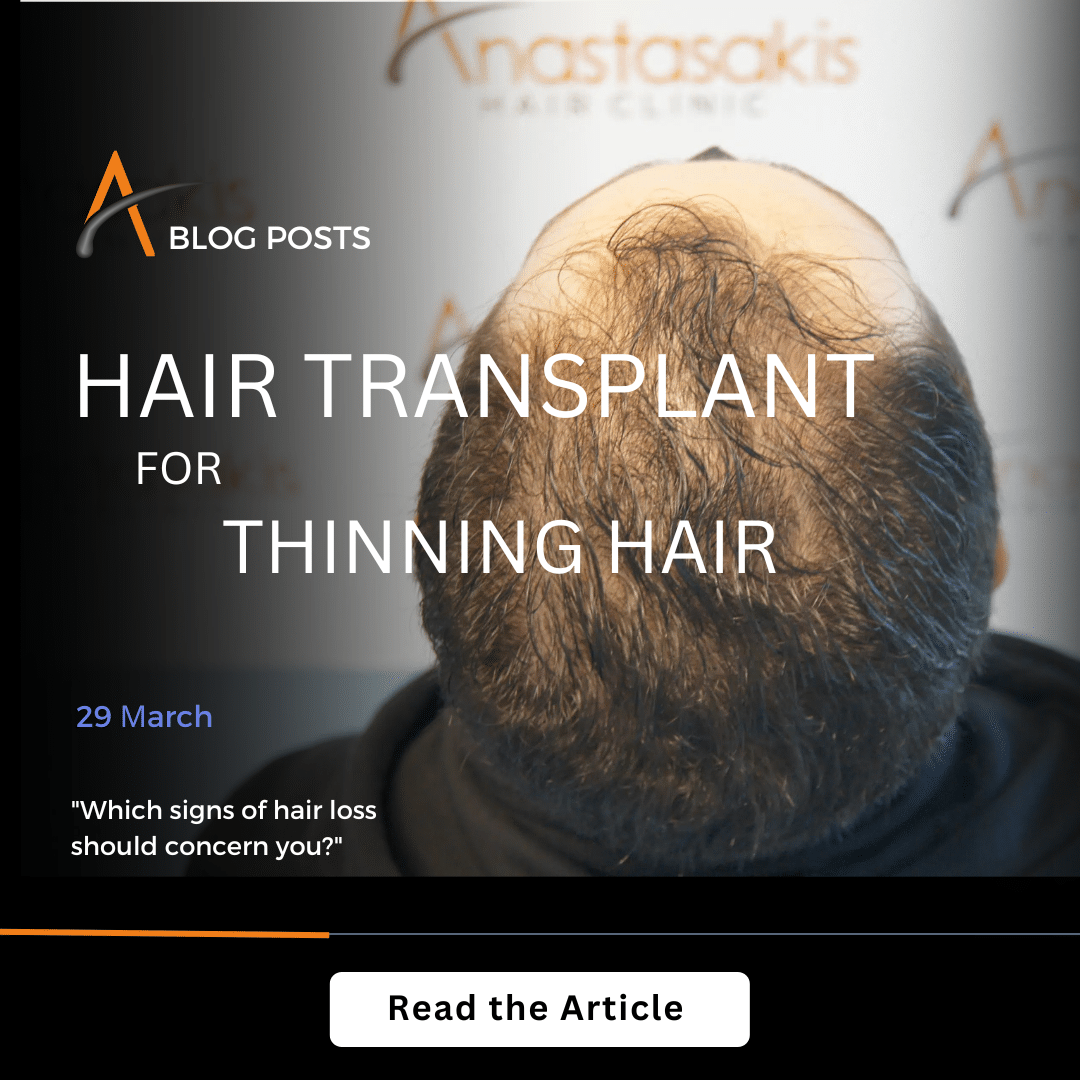
Thinning Hair and Early Signs of Hair Loss: What Should Concern You?
Thinning hair and the early signs of hair loss are common concerns for both men and women. This condition can be triggered by various factors, including genetics, aging, hormonal changes, stress, poor nutrition, and certain medical conditions.
Hair thinning may present itself in several ways — including a noticeable decrease in hair density, changes in hair texture, or a receding hairline. If you’re experiencing any of these, you might be wondering whether a hair transplant could be a viable option for you.
In this article, we’ll discuss which early signs of hair loss should raise concern, how hair transplantation can help address thinning hair, and what you should consider before undergoing the procedure.
Thinning Hair and the First Signs of Hair Loss
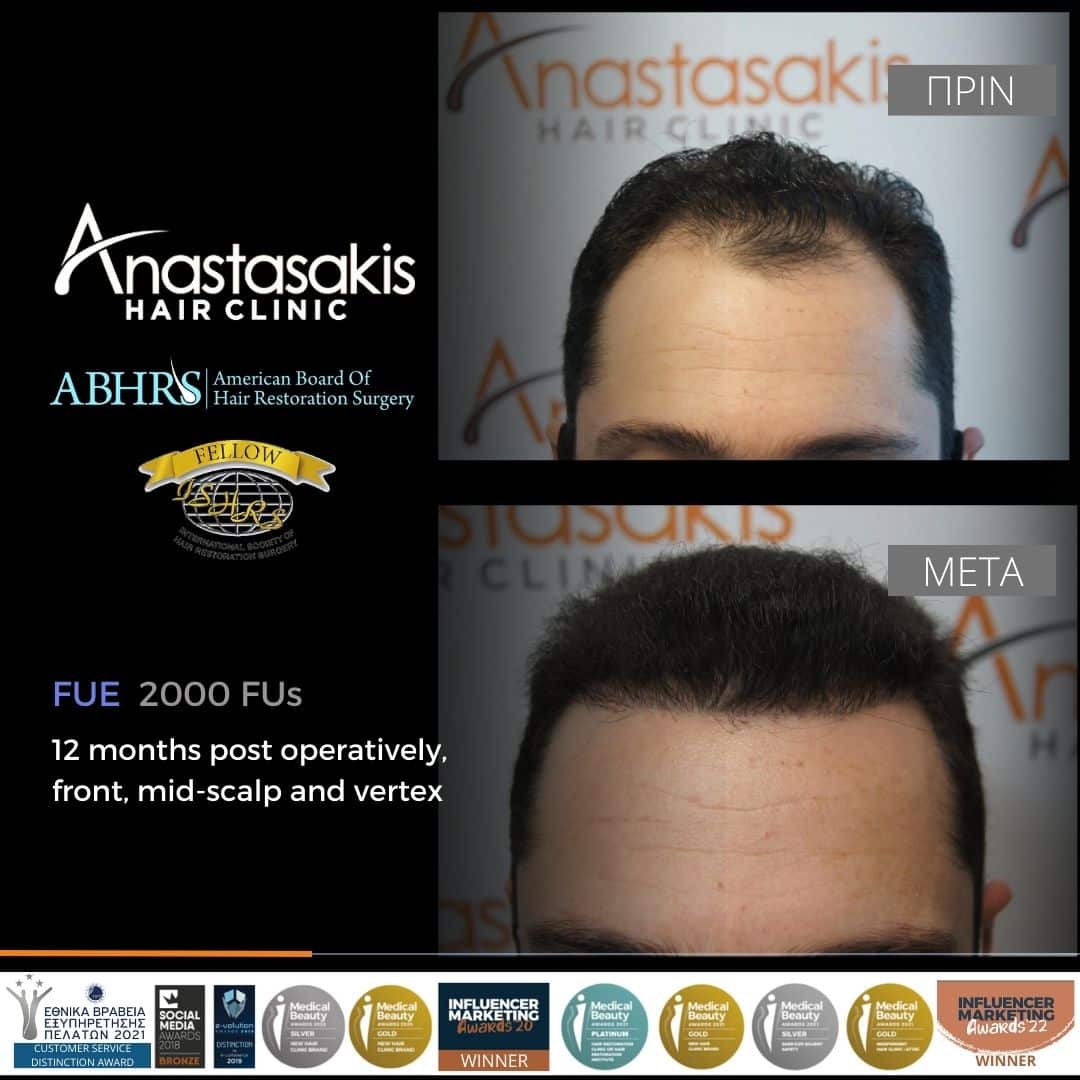
One of the first signs of hair loss is the gradual thinning of the hair.
This is a condition where the diameter of the hair strands becomes finer over time, leading to a reduction in overall hair density. This process can affect people of all ages, although it is more common among middle-aged and older individuals.
Thinning hair can be caused by a variety of factors, including genetics, hormonal changes, poor nutrition, stress, and medical conditions such as thyroid disorders and alopecia.
The First Signs of Hair Loss
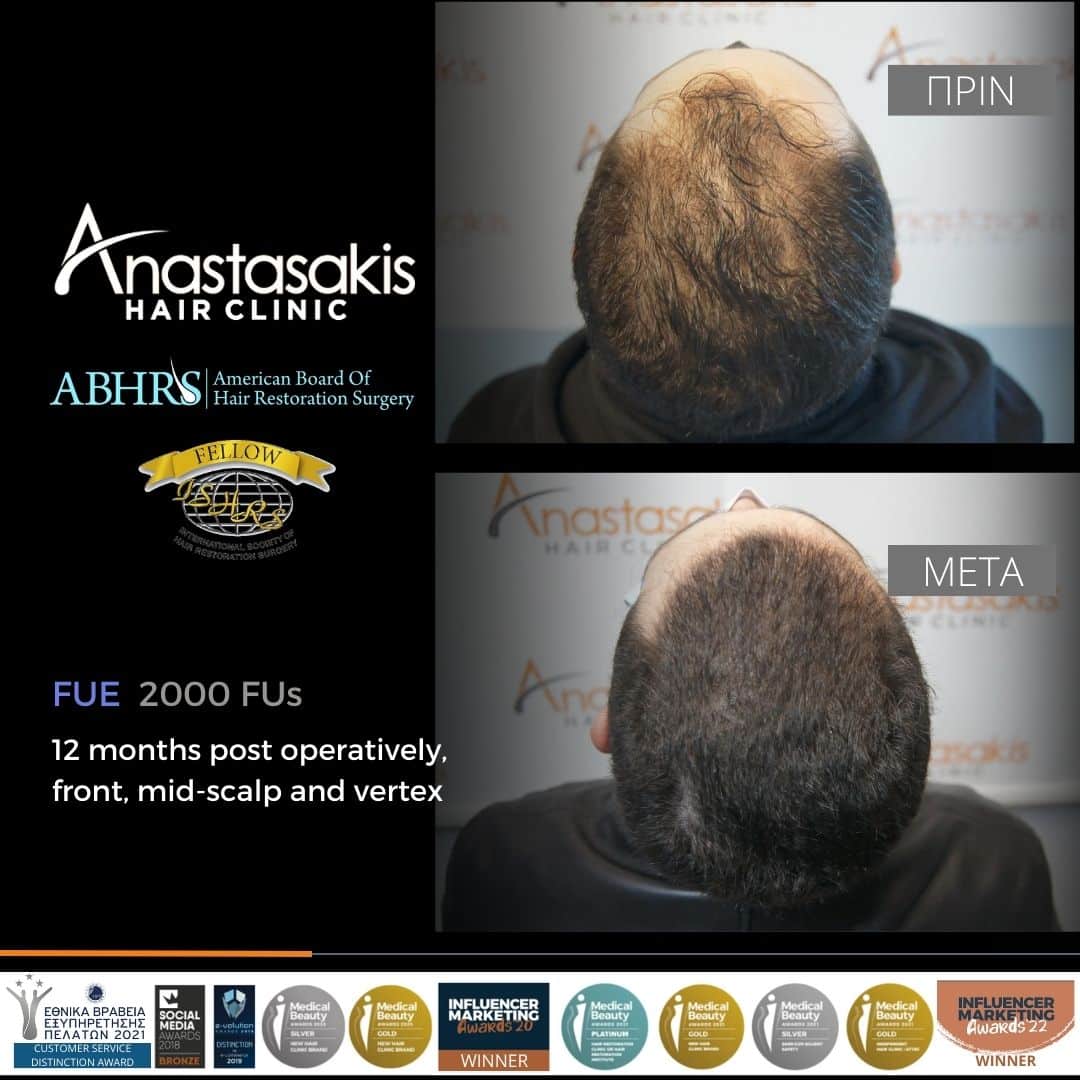
The early signs of hair loss can be subtle and may take years before noticeable changes appear. Some common signs to watch out for include:
- Receding Hairline: This is a common sign of male pattern baldness, where the front hairline starts to move back from the forehead.
- Widening Part or Thinner Hair Partings: This is often seen in women, where the hair part becomes noticeably wider than usual.
- Changes in Hair Texture: Thinning hair may become dry, brittle, and more prone to breakage.
Increased Hair Shedding: While some hair loss is normal, noticing more hair than usual in your brush or in the shower could be one of the first signs of hair thinning and loss.
Hair Transplant for Thinning Hair: Address It from the First Signs of Hair Loss!
A hair transplant is a surgical procedure that involves transplanting hair follicles from one area (the donor site) to another (the recipient site). It can be an effective treatment option for thinning hair or baldness, as it can restore the hairline and improve hair density.
However, before choosing a hair transplant as a treatment for thinning hair and the early signs of hair loss, there are several factors you should consider. First, you need to make sure that you are a suitable candidate for a hair transplant.
Additionally, you should be informed about the procedure itself. For example, you may choose between the FUE (Follicular Unit Extraction) technique or the FUT (Follicular Unit Transplantation) technique. The procedure is generally safe—as long as it is performed in a certified medical facility by a qualified hair transplant surgeon and experienced medical staff. Take the time to do proper research and ensure that the clinic you choose is safe, and the doctor is a certified specialist in hair transplantation.
Finally, you should be prepared for the post-transplant recovery process. This means being ready to carefully follow your doctor’s postoperative instructions, which may include avoiding certain activities or using specialized hair care products.
Can a Hair Transplant Stop the First Signs of Hair Loss and Deliver the Desired Results?
After the surgery, you’ll need to be patient, as it may take several months before the transplanted hair begins to grow. You should also be prepared for some shedding of the transplanted hair within the first few weeks after the procedure—this is completely normal and part of the healing process.
Overall, hair transplantation can be an effective treatment option for thinning hair, but it’s important to carefully consider all alternatives before undergoing the procedure. It is equally important to have realistic expectations about the results and to be fully prepared for the post-operative recovery period.
Book your consultation today—in person at our clinic or online—and find out if a hair transplant is the right solution for your hair thinning.
Get in touch with us!
 0
0