

The Impact of Hair Loss on Mood: A Closer Look
For the majority of individuals, the emotional impact of hair loss is significant. In fact, it’s well established that hair loss can deeply affect not only a person’s mood, but also their overall emotional well-being. Experiencing hair loss can be a painful and distressing journey, often affecting one’s self-esteem, confidence, and self-image. It may also lead to feelings of anxiety, depression, and even social withdrawal.
With your emotional needs at the heart of this article, we will explore in depth the psychological effects of hair loss from multiple perspectives. These include the different types of hair loss, emotional coping strategies, practical solutions, and some of our very own success stories.
Does the Type of Hair Loss Affect Its Emotional Impact?
To answer this question, we first need to take a closer look at the different types and forms of hair loss. 
Types of Hair Loss and Their Emotional Impact
- Androgenetic Alopecia (Male or Female Pattern Baldness):
This is the most common form of hair loss in both men and women. It is typically genetic and affects the top and front areas of the scalp. It leads to thinning hair and a receding hairline, particularly around the temples. Even in its early stages, this type of hair loss can significantly alter one’s appearance. As a result, its emotional impact is quite frequent, often affecting self-image and confidence. - Alopecia Areata:
This is an autoimmune condition that causes hair to fall out in round patches. It can occur on the scalp or other parts of the body. The sudden and unpredictable nature of this type of hair loss can be emotionally distressing, particularly due to its visible and irregular pattern. - Telogen Effluvium:
This is a temporary form of hair loss often triggered by stress, hormonal changes, or certain medications. It typically results in diffuse thinning across the entire scalp rather than specific bald spots. While not permanent, the sudden change in hair density can still cause anxiety and emotional discomfort. - Traction Alopecia:
This type of hair loss is caused by hairstyles that pull the hair tightly, such as braids, ponytails, or weaves. Over time, this tension can lead to hair breakage and, in some cases, permanent hair loss. Because it is often self-induced and preventable, it may be accompanied by feelings of regret or frustration
In Conclusion As we’ve seen, the emotional impact of hair loss can vary greatly depending on the type, severity, and permanence of the condition. Some types may trigger immediate emotional distress due to visible changes, while others may cause longer-term effects on self-esteem and mental well-being.
But what is the exact impact of hair loss on a person’s mood?
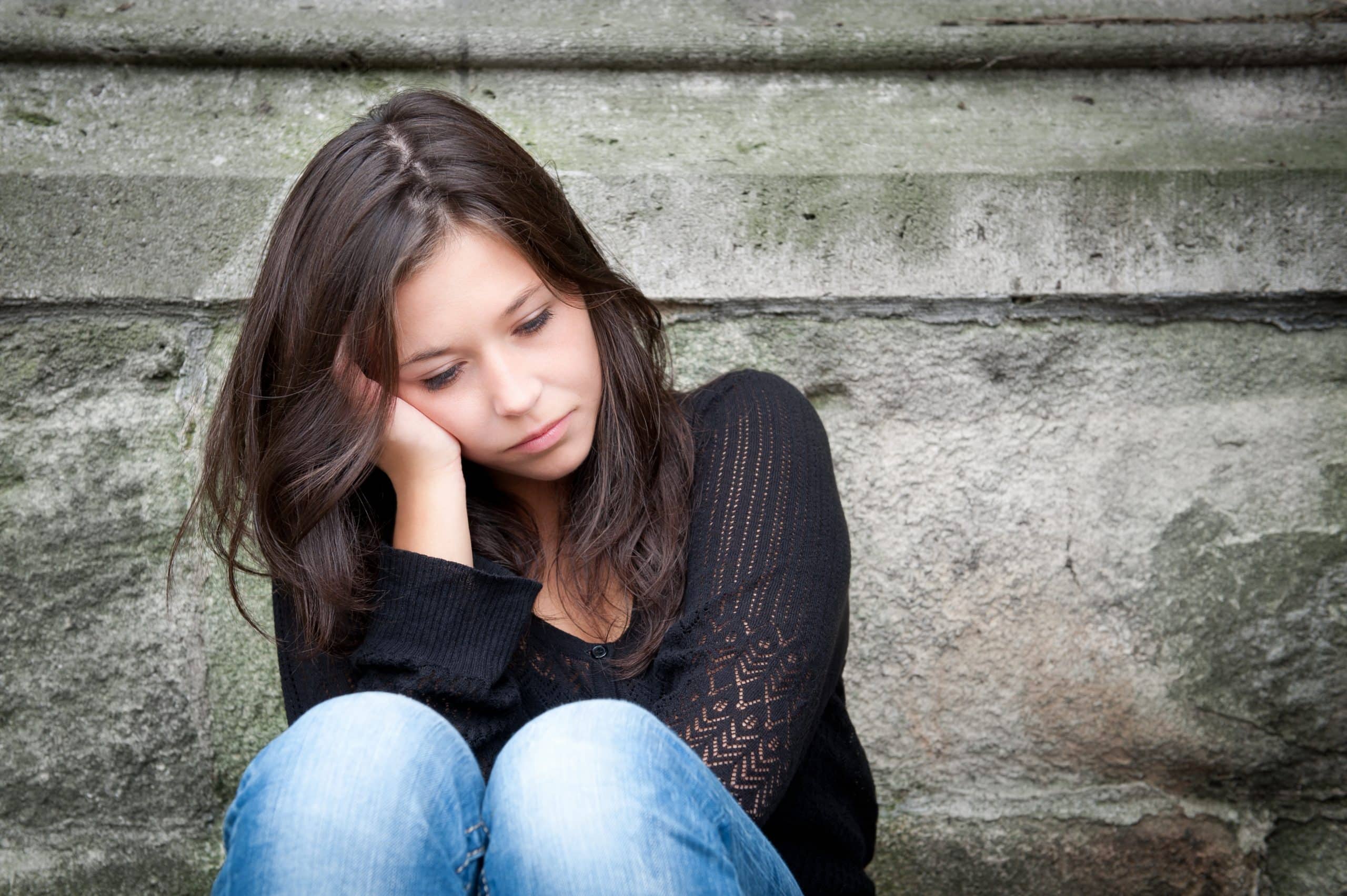
The Emotional Impact of Hair Loss: A Closer Look
The emotional effects of hair loss can manifest in various ways. It may lead to feelings of embarrassment, shame, and self-consciousness—especially when the thinning is visible and noticeable. Hair loss can significantly affect an individual’s self-esteem, confidence, and body image, often resulting in increased anxiety and even depression.
Beyond these emotional responses, hair loss can also have a profound impact on a person’s social life. Many individuals experiencing hair loss tend to avoid social situations—particularly those involving photos or video recordings—and gradually withdraw from friends and family. There may also be a strong sense of losing control over one’s appearance, which further amplifies emotional distress.
How Can You Manage the Emotional Impact of Hair Loss?
There are several effective ways to emotionally cope with hair loss. Let’s take a look at some of the most important strategies:
- Acceptance:
Recognizing hair loss and accepting it as a natural part of aging or a medical condition can significantly reduce its emotional burden. Embracing the reality of the situation is often the first step toward healing and emotional resilience. - Hair Care Routine:
Creating a new hair care routine can help improve the appearance of your hair and boost your confidence. Using volumizing shampoos or hair-thickening fibers can also help conceal thinning areas and enhance your overall look. - Nutrition:
Maintaining a healthy, balanced diet rich in proteins and essential vitamins is another effective way to support hair growth and prevent further hair loss. Proper nutrition contributes not only to physical health but also to emotional well-being. - Support Groups:
Connecting with others who are going through similar experiences can provide valuable emotional support and practical advice. Sharing your journey with people who understand can be incredibly empowering.
So, which of these strategies would you choose to reduce the emotional impact of hair loss?
Treatment Options: Put an End to the Emotional Impact of Hair Loss
When it comes to overcoming the emotional toll of hair loss, taking practical steps toward treatment can make a lasting difference. Here are some of the most effective options available today:
Hair Transplantation
A surgical procedure that involves relocating hair follicles from one part of the scalp to another. This is a long-term solution for many individuals experiencing significant hair thinning or baldness.
Medications
Topical or oral treatments, such as minoxidil or finasteride, can help slow down or even prevent further hair loss. These are medically approved solutions that may work effectively, particularly in the early stages.
Wigs and Hairpieces
For some, these offer a non-invasive and temporary solution to conceal thinning areas. Modern options are often realistic and customizable, providing both comfort and confidence.
Scalp Micropigmentation (SMP)
An advanced cosmetic procedure, SMP is a form of medical tattooing that replicates the look of hair follicles on the scalp, creating the illusion of fuller hair.
Remember: Addressing hair loss through practical solutions is often the most effective and permanent way to reduce its emotional impact. Taking action can empower you to reclaim both your appearance and your confidence.
Success Stories: For Us, Every Journey Is Unique
Many individuals who have experienced hair loss have found effective ways to manage its emotional impact. Some have embraced their thinning hair, while others have chosen to shave their heads completely. Others have discovered salons or hairpieces that offer natural-looking solutions tailored to their needs.
For those seeking more permanent results, FUE or FUT hair transplants have provided lasting transformations. Others have turned to medications to slow down or prevent further hair loss, regaining not only their hair—but their confidence too.
Ultimately, finding the right solution that works for you is the key to maintaining a positive outlook and emotional well-being despite hair loss.
Looking for a solution to your own hair loss and a boost in your confidence?
Book a consultation today at Anastasakis Hair Clinic and discover how you can transform the appearance of your hair—permanently.
 0
0