

Common Myths About Hair Transplants
Some of the most widespread myths about hair transplants stem from concerns such as:
- “Does a hair transplant hurt?”
- “Are the results only temporary?”
- “Are transplanted hairs unnatural?”
Many people hesitate to undergo a hair transplant out of fear that one or more of these concerns might be true. These myths are so prevalent that, understandably, they deter a large number of individuals who might otherwise consider this life-changing procedure.
Hair loss and thinning affect millions worldwide. It can significantly impact a person’s confidence and well-being, often prompting the search for effective hair restoration solutions. In this context, hair transplantation stands out as one of the most popular and successful treatments available.
However, myths surrounding hair transplantation often cause doubt and anxiety among those considering it. In reality, the procedure has made tremendous advancements in recent years. When performed by a skilled and experienced specialist, it delivers incredibly dense and natural-looking results.
This is why it’s crucial to debunk these myths and help prospective patients understand the truth and the many benefits of modern hair transplantation.
How to Address Myths About Hair Transplants
It’s important to debunk myths about hair transplantation and prevent their spread for two key reasons:
First, misinformation can discourage many people—who could truly benefit from a hair transplant—from seeking the help they need.
Second, these myths can create unnecessary worries and unjustified anxiety in patients before the process even begins.
Let’s take a closer look at some of the most common myths about hair transplants, and how they can be effectively dispelled to reveal the truth.
Myth 1: Transplanted Hair Does Not Look Natural
One of the most common myths about hair transplantation is that the hair after the procedure looks unnatural. This refers both to the transplanted hair itself and the final result.
In reality, this is completely false. When performed by a skilled and experienced surgeon, hair transplants produce results that are undetectably natural, seamlessly blending with existing hair in texture, density, and growth pattern.
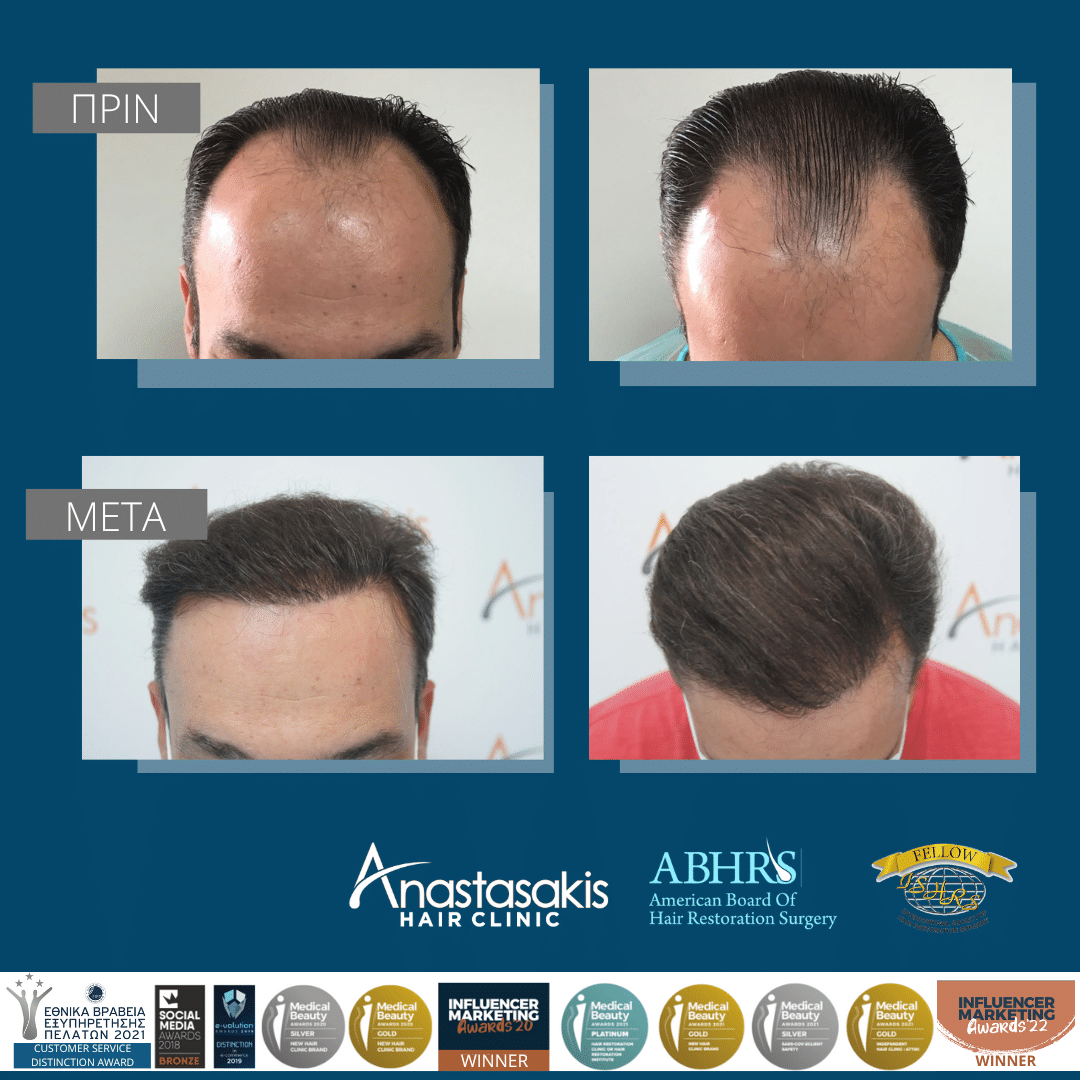
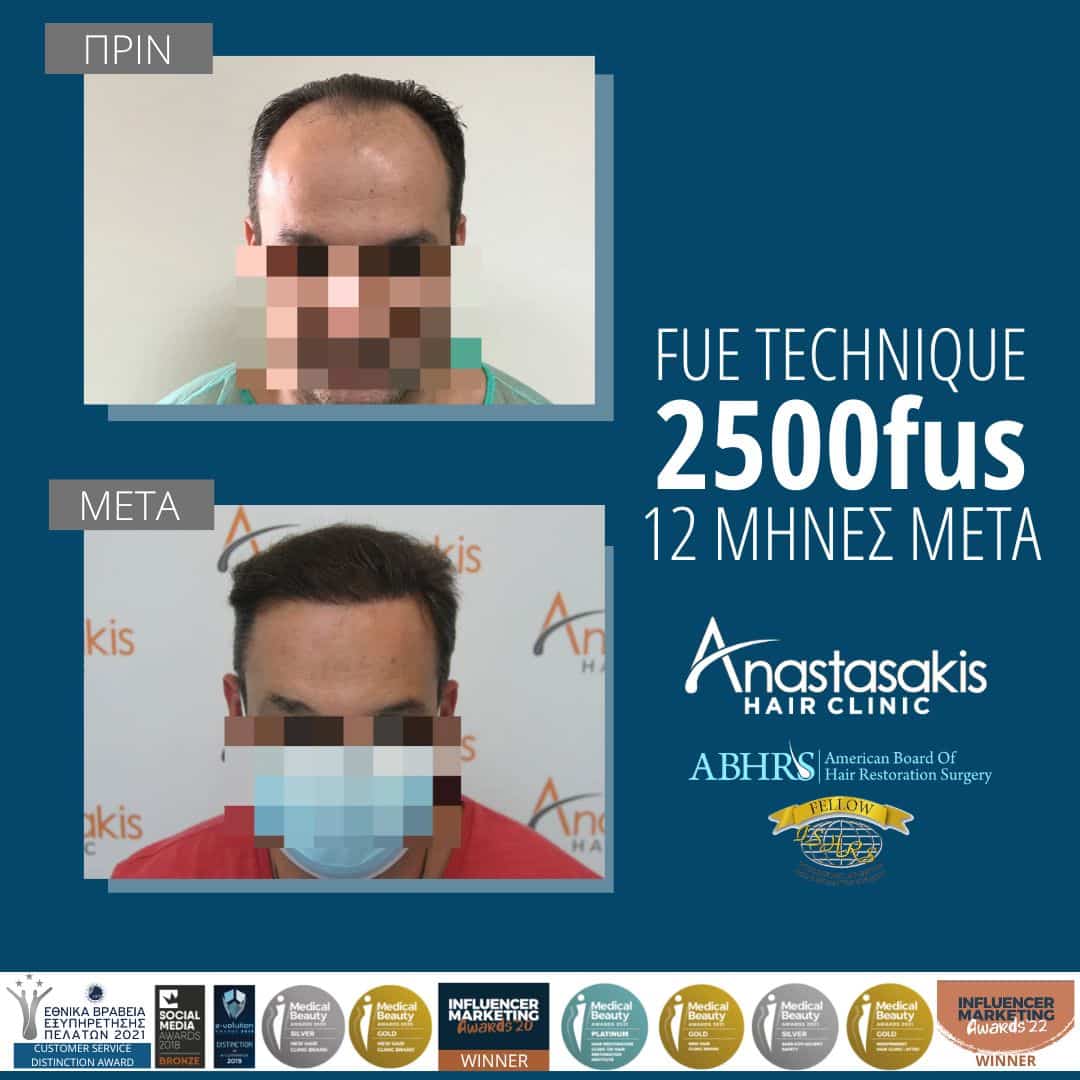
Modern hair transplant techniques have made tremendous advancements, delivering results that are completely natural and effectively dispelling all myths surrounding hair transplantation.
However, achieving such outcomes is only possible with an experienced surgeon supported by an equally skilled and specialized nursing team. Together, they carefully select and transplant hair follicles from the donor area to the recipient site, choosing grafts that closely match the existing hair in characteristics such as color, texture, and thickness.
Myth 2: The Results of a Hair Transplant Are Temporary
Another common myth about hair transplantation is that the results don’t last.
In reality, the permanence of the results is guaranteed by nature itself. This is because the hair follicles harvested from the donor area are naturally programmed to be permanent and continue producing hair for life.
The donor area contains hormone-resistant follicles, which retain this characteristic even after being transplanted to the recipient area, ensuring long-lasting, stable results
Myth 3: All Surgical Techniques for Hair Transplant Are the Same
There are two main hair transplant techniques, which differ in how the hair follicles are extracted from the donor area:
- FUT (Follicular Unit Transplantation): Follicles are removed in a single strip from the donor area. They are then carefully dissected into natural follicular units under a microscope before being transplanted to the recipient site.
- FUE (Follicular Unit Extraction): Follicles are extracted one by one using specialized round-bladed tools and then implanted into the recipient area.
The placement of the follicles in the recipient area is the same for both techniques.
So, this is yet another myth about hair transplants!
Remember, each case is unique. The choice of the appropriate technique always depends on the patient’s individual needs and preferences. However, the expert advice of an experienced surgeon is essential for the success of the transplant.
Myth 4: Hair Transplants Are Suitable for Everyone
Some people believe that hair transplants are suitable for everyone, but this is not true.
Whether someone is a good candidate for a hair transplant depends on many factors. These include the patient’s overall health, important medical criteria (both major and minor), and—most importantly—the expertise and experience of the doctor in selecting appropriate cases.
Proper candidate evaluation is essential to ensure safe, effective, and satisfactory results.
Myth 5: Hair Transplant Surgery Is Painful
Hair transplantation performed at a licensed and certified clinic is always done under local anesthesia.
When every step of the procedure is carried out correctly, any pain or discomfort during and after the surgery is simply a myth. In fact, any mild discomfort can be easily managed with a simple painkiller, and from the second day onwards, patients usually don’t even need medication.
The procedure is much more comfortable than most people imagine.
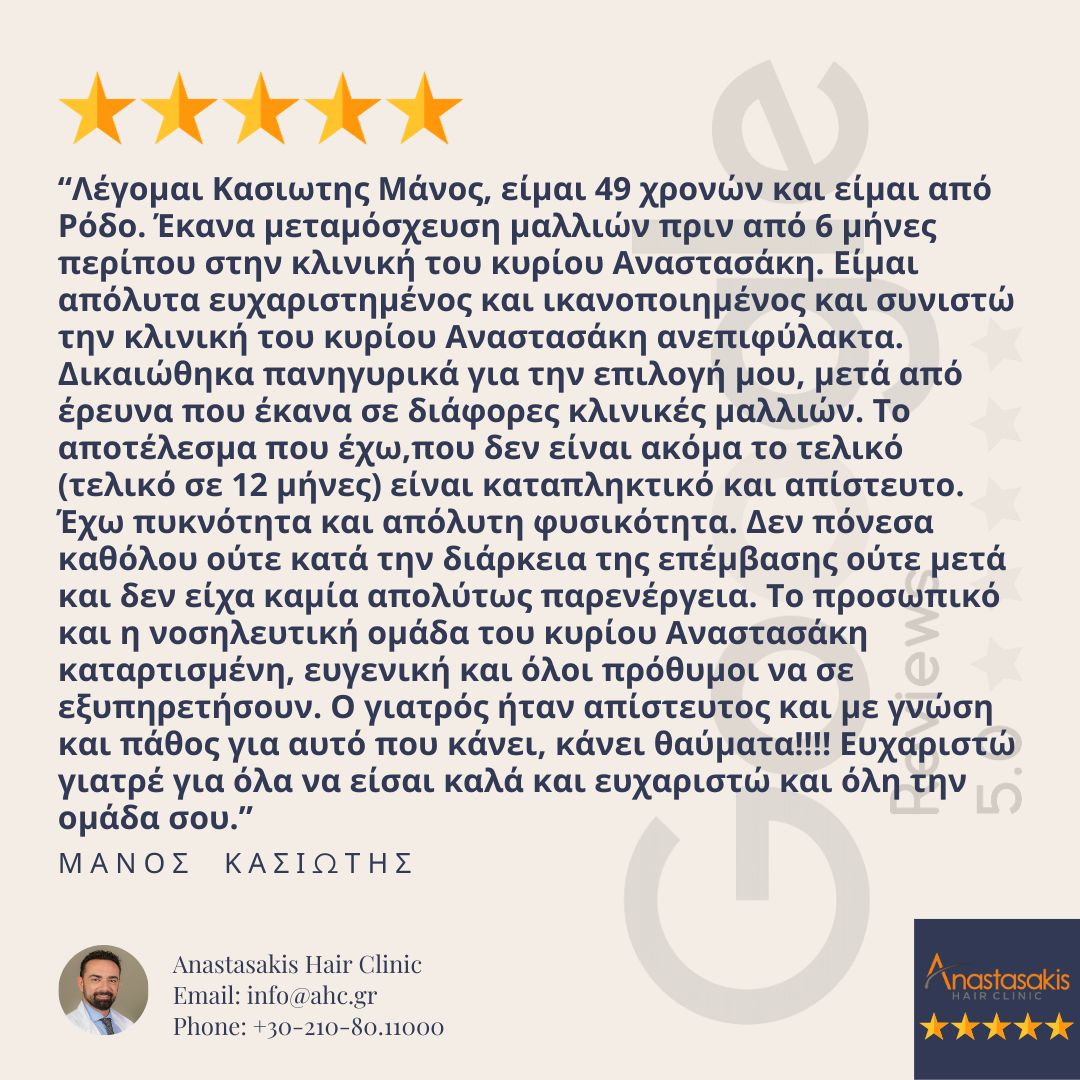
At Anastasakis Hair Clinic, we debunk myths about hair transplantation.
Hair transplantation is an effective solution for restoring confidence and addressing hair loss. It is crucial to dispel misconceptions surrounding hair transplants and encourage individuals to seek professional advice for their hair restoration needs.
At Anastasakis Hair Clinic, we are committed to breaking every myth about hair transplantation and providing you with the highest quality care. Our goal is to help you regain thick, natural-looking hair and achieve the results you desire.
Contact us today for more information and choose hair transplantation for a fresh, renewed appearance!
 0
0