

A failed hair transplant is a serious issue that can lead to disappointing results and even medical complications for the patient. Hair loss and thinning are common problems for many people, and hair transplantation is one of the most popular solutions to address them.
However, not all procedures are successful, and there are various factors that can cause the process to fail.
So, how can one avoid a failed hair transplant? What steps should you take to ensure that the procedure is safe and that the result is not only dense but also completely natural?
Read below to find out the main reasons behind a failed hair transplant and how you can secure an excellent outcome.
What Is a Failed Hair Transplant?
A failed hair transplant relates to the outcome of the procedure. Hair transplantation is meant to imitate nature as closely as possible, so that it goes unnoticed.
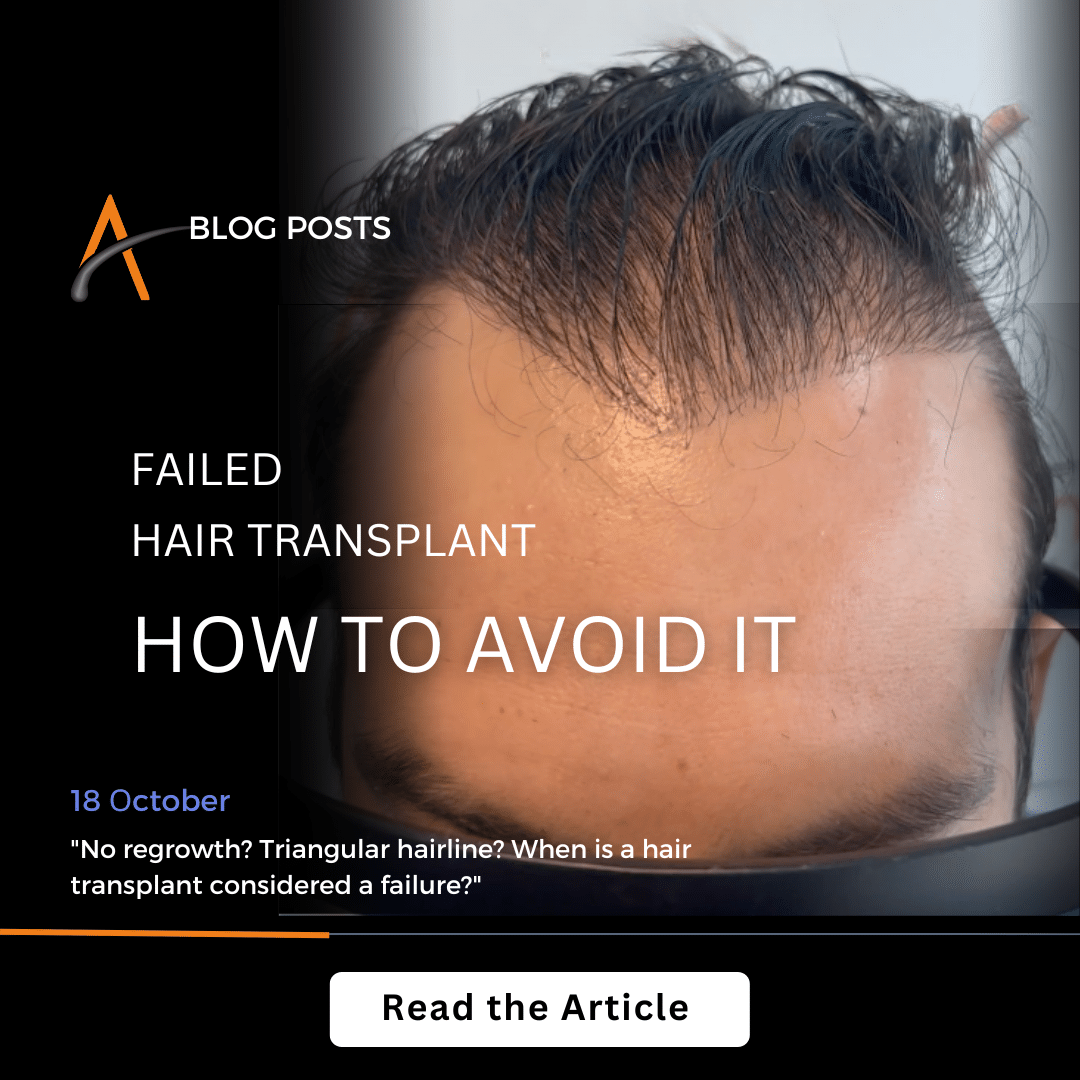
Therefore, we could say that a failed hair transplant is one where the result does not look natural, and others can tell that someone has had a hair transplant. It can even lead to medical problems. Common features of a failed hair transplant include:
- Sparse or unnatural results: Grafts are placed at incorrect angles or in inappropriate positions, creating the impression that the hair does not grow naturally. The result may also be very limited, with few or no follicles growing, which usually stems from technical errors or excessive damage to the follicles.
- Low graft survival: The grafts do not survive or grow, leaving thin areas either due to removal and transfer or damage to neighboring follicles when their vital space is not preserved.
- Visible scarring: Poor application of the FUE technique or the use of older methods can leave noticeable scars in the donor or recipient areas.
- Donor area depletion: Excessive harvesting of grafts can damage the donor site, limiting future transplant options. With proper management, the same area could provide 2 or even 3 times more grafts.
- Scalp necrosis: Often occurs due to excessive trauma when large numbers of follicles are removed in a single session, causing severe scalp damage.
These situations can cause emotional distress for patients and affect their self-image.
Main Reasons for Failure in a Hair Transplant
Several factors can lead to a failed hair transplant. The most important is the insufficient experience of the doctor and the choice of a non-specialized clinic. The most common reasons for failure include:
- Poor diagnosis and planning: Proper design of the hairline and accurate assessment of the donor area are critical for a natural result. Incorrect diagnosis or careless planning can lead to an unnatural outcome.
- Failure to follow hygiene standards: Sterilization of instruments and strict adherence to hygiene protocols are essential to avoid infections and other complications. Unsuitable conditions can cause serious medical issues.
- Insufficient postoperative care: Recovery after the procedure is just as important as the transplant itself. Lack of proper postoperative care and follow-up can result in poor healing and graft loss.
- Lack of experience and specialization of the doctor: Hair transplantation requires exceptional surgical precision, aesthetic judgment, and experience. An inexperienced doctor can damage hair follicles, place grafts at the wrong angle, or mismanage the donor area.
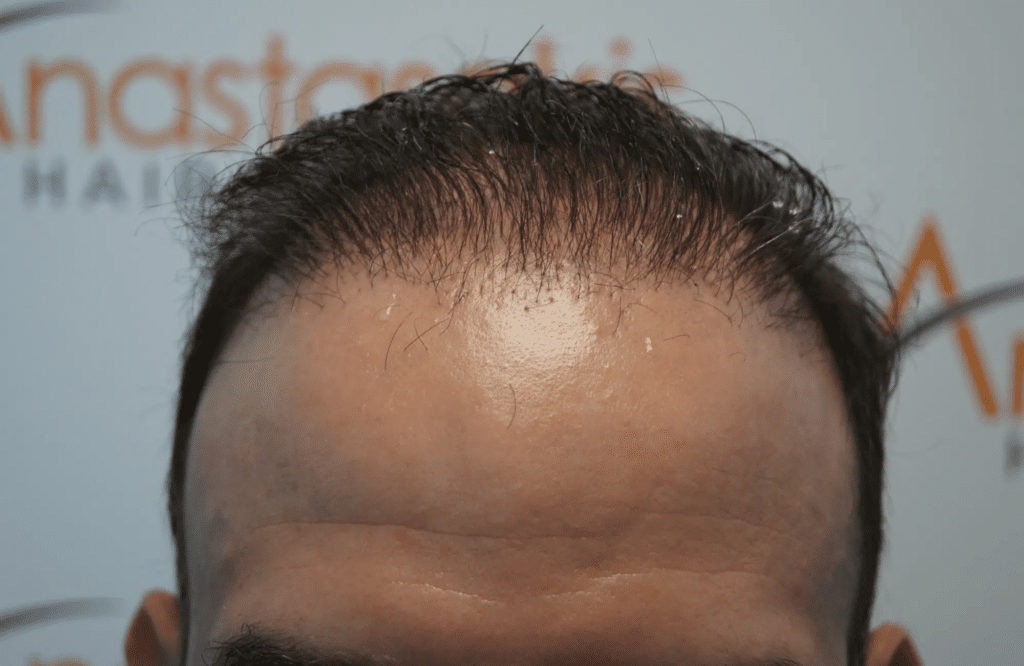
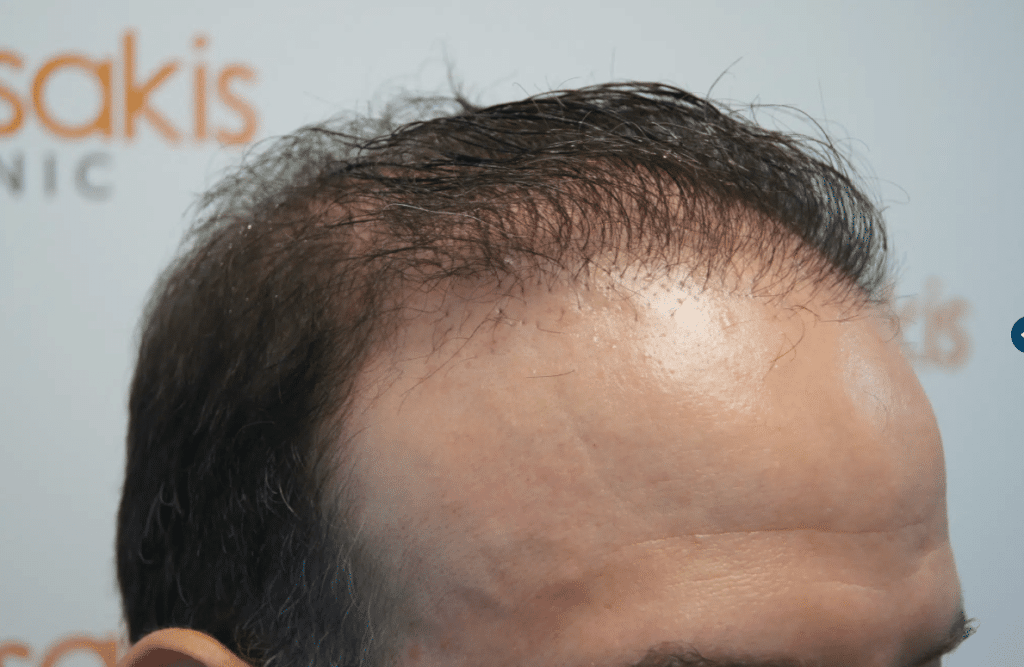
“Fig. 1–2: Patient photos before the repair procedure at Anastasakis Hair Clinic. The patient had previously undergone a failed hair transplant at another clinic. As you can see, the hairline design is poor, the grafts were placed sparsely and in the wrong direction. The result is not only unnatural but also unsightly”
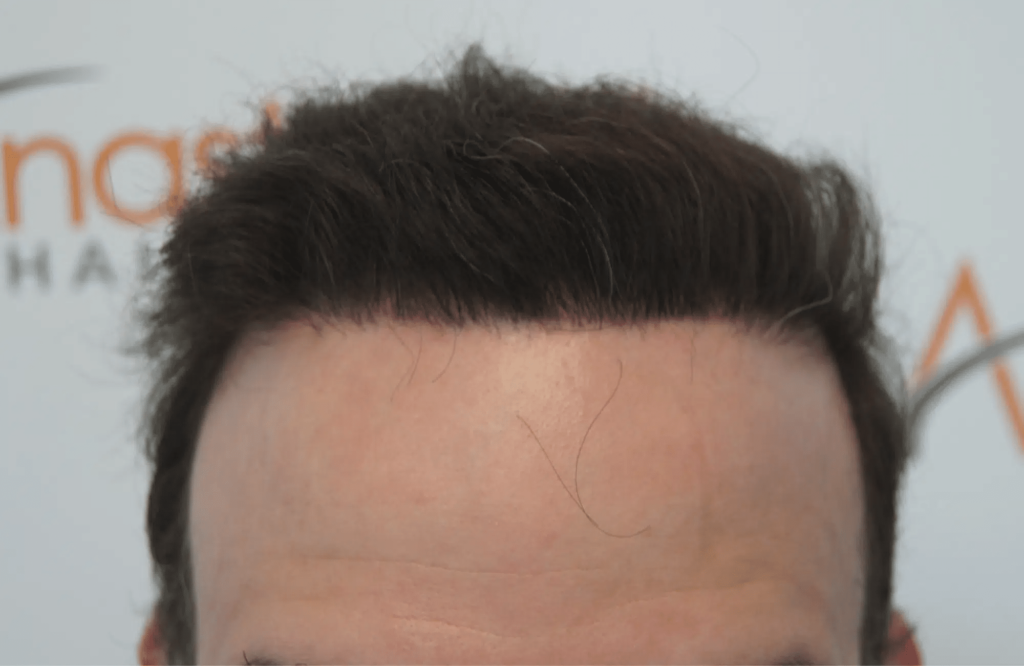
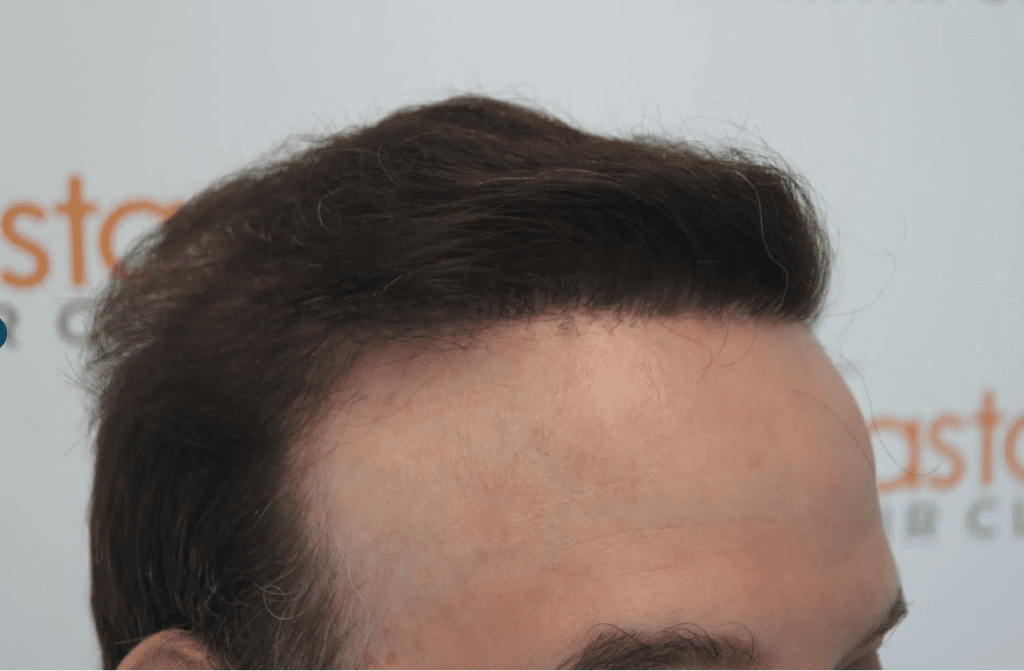
“Fig. 3–4: Photos of the same patient after the repair at Anastasakis Hair Clinic. Notice how dense and natural the result is after the hair transplant at Anastasakis Hair Clinic—no one can tell that the patient has had a hair transplant.”
How to Avoid a Failed Hair Transplant
A failed hair transplant can happen for various reasons, and it’s important to understand the most critical ones.
Choose an experienced and specialized doctor
The main reason for failure is a doctor who lacks specialization in hair transplantation. A successful hair transplant requires surgical precision, aesthetic judgment, and years of experience. Before trusting any clinic with your FUE hair transplant, carefully evaluate the doctor’s education and experience.Dr. Konstantinos Anastasakis, Scientific Director of Anastasakis Hair Clinic, has an impressive background, holding a medical degree (MD), a PhD, and is an academic member of ISHRS (International Society of Hair Restoration Surgery) and a Diplomate of ABHRS (American Board of Hair Restoration Surgery). This ensures you are in the hands of a highly qualified and experienced professional.- Research the clinic’s reputation
Read reviews, look at before-and-after cases and videos from the clinic you are considering. Videos are invaluable as they provide a more realistic picture of the final result - Discuss your expectations
During your consultation with the doctor, talk openly about your realistic expectations. A good doctor will be honest with you and explain what can and cannot be achieved, taking into account your hair characteristics and overall health. Proper diagnosis of the cause of hair loss and careful planning of the transplant are the foundations of success. Mistakes in designing the hairline or assessing the donor area can lead to unnatural or insufficient results. - Poor quality techniques
Using outdated or inappropriate techniques, or incorrectly applying the FUE method — as seen in many “clinics” operated by non-doctors — can leave scars, reduce density, or cause serious scalp damage. - Evaluate the facilities and hygiene conditions
Make sure the clinic has modern, licensed surgical rooms, and follows strict hygiene and sterilization protocols. - Follow postoperative instructions
It is critical to follow all postoperative care instructions to ensure the best possible healing and graft growth.
“Repair case at Anastasakis Hair Clinic from a previous failed hair transplant. See the before-and-after photos of the old hair transplant repair.
Should the Results of a Failed Hair Transplant Be Publicized?
Publicizing the results of a failed hair transplant contributes to protecting and informing the public. It helps interested individuals understand the potential risks involved in choosing the wrong clinic or doctor and allows them to safeguard themselves against such pitfalls.
Moreover, it fosters the development of realistic expectations and a cautious approach to hair transplantation. Therefore, we could argue that presenting the results of a failed hair transplant serves primarily an educational purpose, teaching those considering the procedure what to watch out for and whom to avoid.
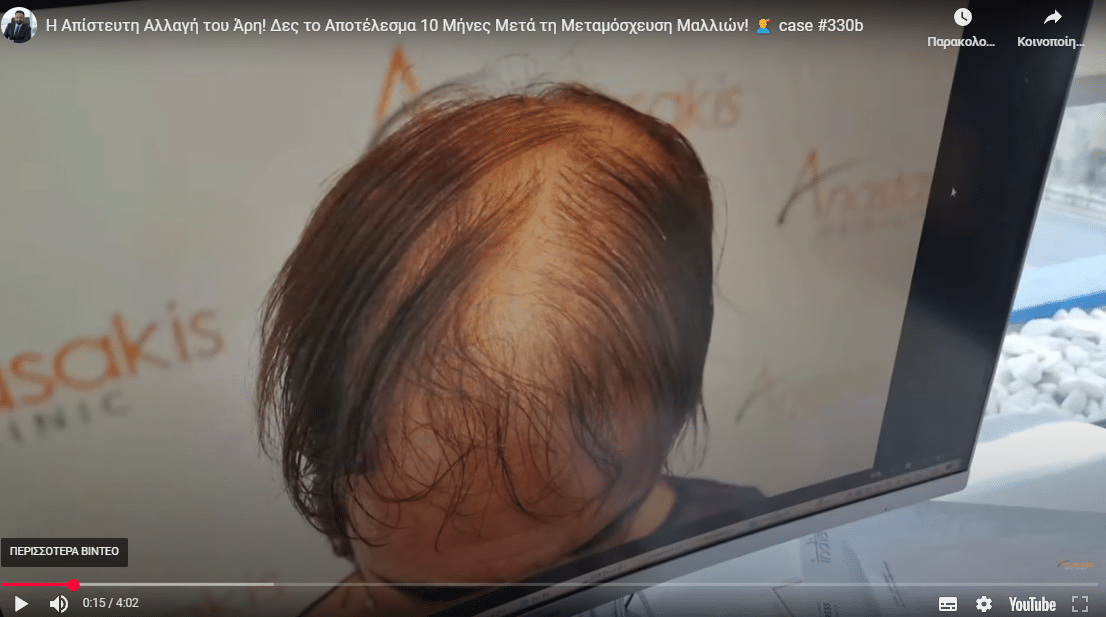
Is There a Solution for a Failed Hair Transplant?
Presenting a failed hair transplant is important for informing and educating those interested. Choosing the right surgeon and maintaining realistic expectations are the key steps toward a successful hair transplant.
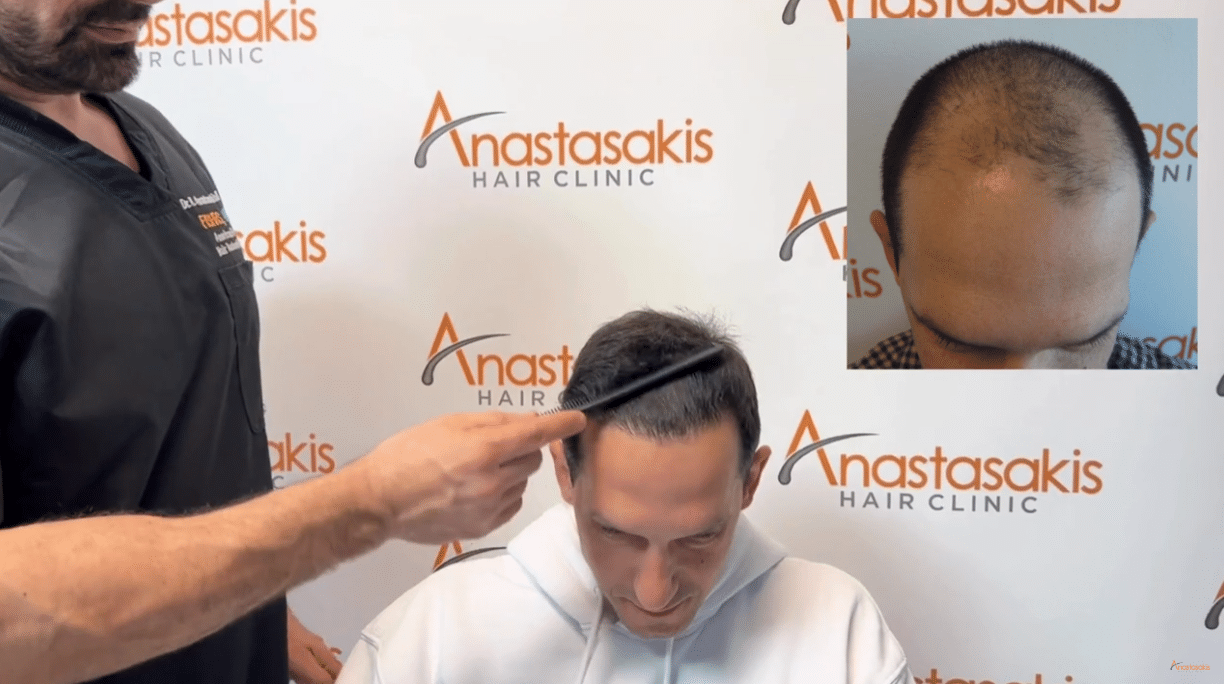
“(Click on the image to go to the video on YouTube) An impressive incident of Anastasakis Hair Clinic”.
An Experienced Doctor with Vision and a Highly Specialized Surgical Team
At Anastasakis Hair Clinic, scientific guidance is provided by Dr. Konstantinos Anastasakis, M.D., Ph.D., one of Greece’s leading physicians in the field of hair transplantation. He has many years of experience, international certifications, and active participation in scientific conferences.
Dr. Anastasakis, supported by a specialized and extensive nursing team, guarantees results based on medical ethics, natural appearance, and maximum safety for the patient.
Advanced Techniques in Hair Transplantation
At Anastasakis Hair Clinic, we use the most modern and scientifically accepted hair transplant techniques: FUT, FUE, Combo (combination of FUT & FUE), and BHT (Body Hair Transplant), achieving excellent aesthetic results. Each time, the appropriate technique is chosen according to the unique needs of each patient.
If you are interested in valid and scientific information about hair transplantation and what it can offer in your case, schedule an in-person or online appointment and take the first step toward a successful hair transplant. Learn more about the factors that determine the cost of hair transplantation and book your free online consultation today
 0
0