

When Is a Hair Transplant Clinic Truly Safe?
Hair transplantation is one of the most popular cosmetic procedures today, especially among men. In recent years, there has been a noticeable rise in public interest in this type of treatment. The primary goal is to achieve a natural, aesthetically pleasing, and flawless appearance of the scalp
COVID-19 and Safe Hair Transplantation
As we navigated through a critical period due to COVID-19, many professional sectors were forced to adapt their practices and ways of operating. The field of aesthetic surgery was no exception.
The positive news is that public interest in hair transplantation has remained strong, motivating us to swiftly adapt to the new reality and gradually return to our normal pace of work.
What Hair Transplant Candidates Should Be Aware of During This Period
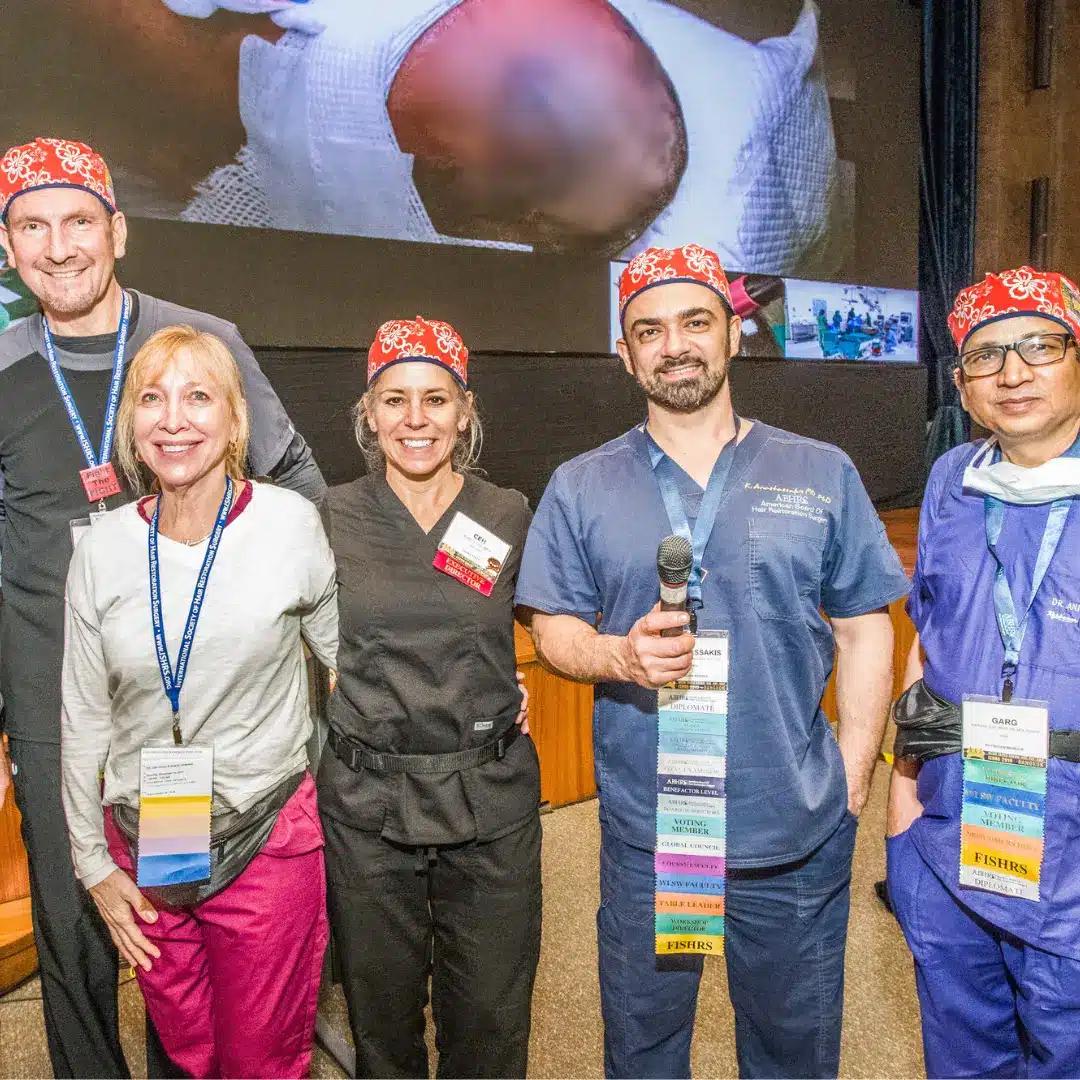
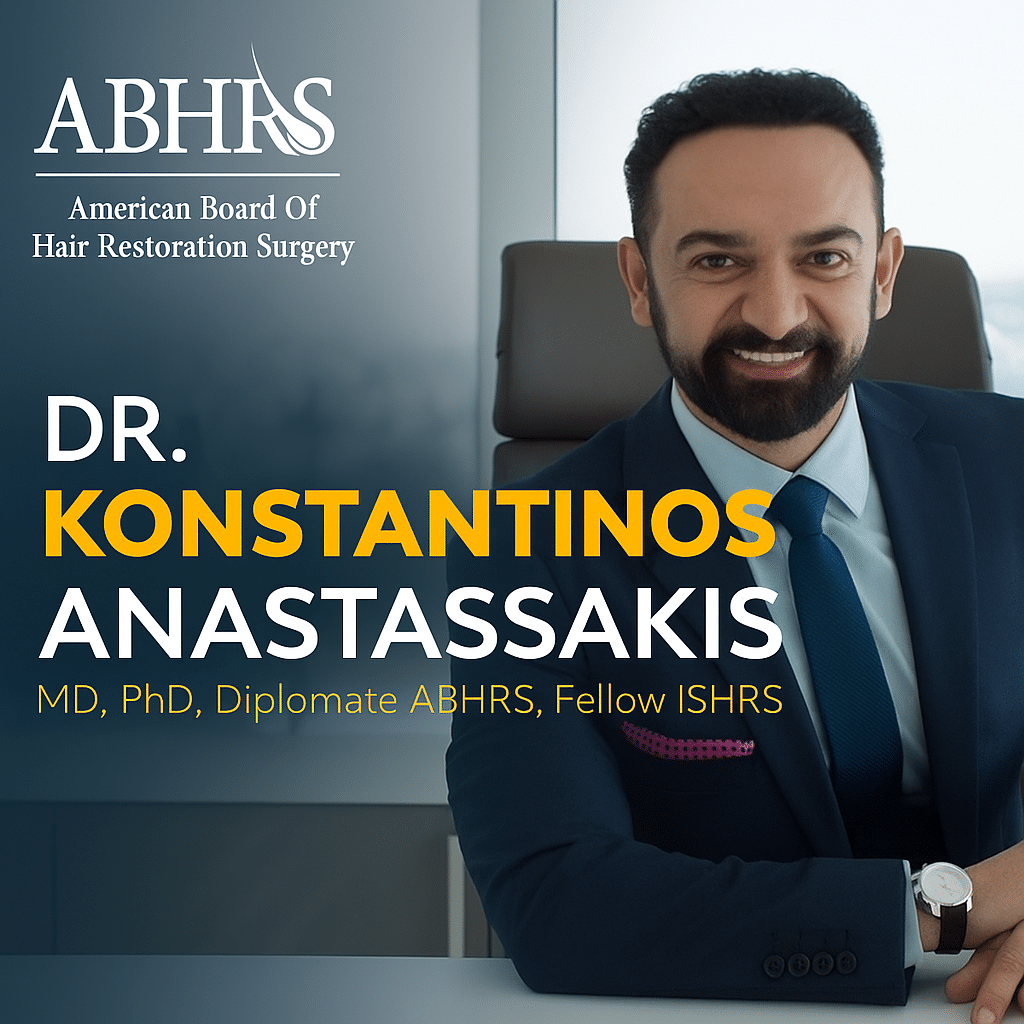
Dr. Konstantinos Anastassakis, MD, PhD, FISHRS — President of the Hellenic Academy of Hair Restoration (ELAMAT), the Greek chapter of the International Society of Hair Restoration Surgery (ISHRS); Fellow Member of the ISHRS; Treasurer of the Board of Governors of the American Board of Hair Restoration Surgery (ABHRS); and University Doctorate Holder — answers our readers’ most frequently asked questions:
Q: Doctor, is Hair Transplantation safe in the COVID-19 era?
Dr. Anastassakis: Hair transplantation is a very safe procedure, but certain conditions must be met.
It must strictly adhere to the guidelines set by the following global organizations:
- ISHRS (International Society of Hair Restoration Surgery)
- ABHRS (American Board of Hair Restoration Surgery)
At the same time, it is of utmost importance that the hair transplant is performed by a certified physician in a properly equipped surgical environment. Otherwise, a generally safe procedure can become quite the opposite.
You sound very firm and strict about this!
Dr. Anastassakis: Absolutely — because patient safety is my top priority.
Hair transplantation is a serious surgical procedure.
Even in the case of the FUE method — which differs from traditional surgical incisions using a scalpel — the environment where it is performed must meet the highest medical standards.
During the FUE (Follicular Unit Extraction) technique, small circular incisions are made around each hair follicle to allow for its extraction and transplantation. This technique is the most popular, as it offers a very short recovery time compared to other surgical procedures.
Even with such a minimally invasive procedure, pre-operative planning is absolutely essential to ensure a safe and successful outcome. This cannot be achieved if the doctor lacks proper medical training, certification, and experience. The safety of the patient depends directly on the doctor’s competence.
The COVID-19 pandemic has led to changes in the number of patients treated at one time. However, the protocols followed by authorized clinics — which already maintained the highest hygiene standards — have not changed drastically. What has changed is the increased vigilance of medical and nursing staff, as well as stricter adherence to antiseptic protocols by our patients. There is no room for error.

Q: What Has Changed in the Hair Transplantation Sector Due to the COVID-19 Pandemic?
Dr. Anastassakis: I cannot speak for all clinics and doctors performing hair transplantation procedures. However, I can speak with full confidence about the protocols followed at Anastasakis Hair Clinic.
Our clinic’s staff routine includes meticulous cleaning, disinfection, and sterilization of all areas — including the waiting and visitor spaces. We take every necessary measure to ensure public health and safety, strictly adhering to the highest standards, including those set by ISHRS and ABHRS.
Our team’s personal protective measures fully comply with the rigorous guidelines for COVID-19 prevention. We remain constantly updated on any changes issued by the World Health Organization (WHO) and the relevant national health authorities.
At Anastasakis Hair Clinic, we only accept patients by pre-scheduled appointment, in order to avoid crowding in our waiting areas. Upon arrival, every visitor is required to disinfect their hands and is provided with surgical gloves and a mask.
As an additional safety measure, we have implemented regular antibody (immunoglobulin) testing for all staff members, conducted every two days.

As part of our Hair Transplantation service, we offer each candidate a molecular PCR COVID-19 test prior to the procedure, in collaboration with a specialized diagnostic center — at no additional cost to the patient.
Q: What Defines a Truly Safe Hair Transplant Clinic?
Dr. Anastassakis: For a Hair Transplant Clinic to be considered truly safe — a COVID-Protected Facility — it must not only follow national public health regulations, but also implement the stricter safety protocols established by the International Society of Hair Restoration Surgery (ISHRS).
There is absolutely no room for compromise when it comes to the health and safety of the patient.
The 3 COVID-19 Safety Protocols Adopted by Our Clinic
- Our clinic performs only one hair transplant procedure per floor, per day. This allows for full control over the environment and minimizes any potential risk of exposure.
- Thorough sterilization before and after each procedure:
The surgical area undergoes meticulous disinfection and sterilization immediately before and after every procedure, ensuring a sterile and safe environment for both patients and staff.
- Frequent renewal of personal protective equipment (PPE):
Our staff regularly change into fresh protective gear throughout the day. This includes full-body suits, surgical masks, protective face shields, and safety goggles — all in accordance with international safety standards
Our facilities are fully compliant with all health and safety requirements to ensure the optimal conditions for a successful hair transplant — free from unexpected complications.

Q: In recent years, there has been a surge of so-called “pirate clinics” offering hair transplantation services. These “clinics,” located in destinations like Turkey or even within our own country, perform procedures in unsuitable facilities without licenses from any governmental authority and are often operated by non-physicians. Do you believe this phenomenon will decrease due to the COVID-19 pandemic?
Dr. Anastassakis: I would like to believe so, but unfortunately, the greed driving these clinics does not subside because of the virus. On the contrary, they are likely to offer even stronger — mainly financial — incentives to attract clients.
That said, consumers are currently much more cautious and hesitant about where to undergo cosmetic procedures. A “pirate” clinic abroad or domestically would be the very last choice for anyone seeking medical treatment in such an unstable period.
Clinics of this kind sacrifice the necessary expenses and effort required to ensure the safety of both patients and staff for the sake of profit. This is especially critical because properly following the protocols established by the International Society of Hair Restoration Surgery (ISHRS) is no easy task. Moreover, the clinic’s personnel must maintain a high level of professionalism and possess thorough training to meet these standards.
If I were a consumer, I would exercise extreme caution when selecting a clinic for any procedure — especially in a country where COVID-19 data is unreliable and the actual situation remains unclear. False remedies, like “miracle cures” involving cologne and lemon that supposedly “kill” the coronavirus, and unrealistic official predictions that the virus will be eradicated in 2–4 weeks, hinder the serious handling of the pandemic.
In Istanbul alone, there are more than 800 illegal “clinics” operating without licenses, raising serious concerns — even more so during the COVID-19 era. The future looks grim if such practices continue. Patients must be highly vigilant and cautious when choosing a clinic.

In many cases, patients choose a clinic based on the name of a “well-known” doctor, only to find that the procedure is actually performed by unqualified staff—often not even medical professionals. These are known as hair farms, where procedures are literally and figuratively carried out on patients while completely disregarding basic hygiene standards
In some rooms, as many as ten surgeries may be performed simultaneously. If this was dangerous before COVID-19, imagine how risky it is now!
Please be extremely cautious… your health is priceless!
Q: What would you recommend to someone considering a hair transplant during this period?
Dr. Anastassakis: What I recommended before the pandemic, I continue to recommend now: conduct thorough and objective research before choosing a clinic and a doctor. Your surgeon must inspire confidence and demonstrate comprehensive expertise in the field. Hair transplantation is not an urgent procedure, so take your time.
Visit clinics, meet the doctors, and assess whether they are the right professionals to entrust with your care. After all, these are the people who will be responsible for creating something exceptional for you.
Start your research today, beginning online—learn about clinics, review their results, read patient testimonials, and gather as much information as possible. For example, you can visit the Anastasakis Hair Clinic website to get ideas and see the results of some of our cases. Of course, you are welcome to contact us anytime with questions or to schedule a consultation.
During this period, make sure that the clinic and doctor you choose strictly follow the protective measures mandated by government authorities, as well as the specific safety protocols outlined by the International Society of Hair Restoration Surgery (ISHRS) for patients undergoing hair transplantation.
Only a safe clinic, staffed by experienced and specialized professionals and equipped with proper facilities and technology, can guarantee you excellent results in your hair transplant journey.
 0
0