

Hair Transplantation: A Brief History
Hair transplantation began in Japan in the 1930s, and the techniques focused on treating hair loss and thinning hair. However, the pioneering discoveries were scientifically ignored due to Japan’s scientific isolation after World War II. Orentreich was the first, in 1959, to prove the effectiveness of follicular unit transplantation in patients with hair loss and thinning hair, and he developed the theory of donor dominance, which constitutes the cornerstone of hair transplantation and a principle of reconstructive dermatologic surgery. Follicles taken from the permanent hair growth zone, regardless of the area where they are transplanted, retain their original properties; they continue to behave as if they remained in the donor area, meaning they do not miniaturize and never fall out due to hair loss or the action of androgens.
The widely known history of follicular unit transplantation for the treatment of hair loss begins only in 1959 with the groundbreaking publication of New York dermatologist Dr. Norman Orentreich. Orentreich was the first to establish the theoretical foundations for the clinical application of hair transplantation in the treatment of hair loss. Nevertheless, the true history of hair transplantation as a technique is clearly older, and the real “father” of hair transplantation is not Dr. Orentreich, whose recognized contribution will, however, be discussed in detail below.
The first steps in hair follicle transplantation
The first reports exclusively on the subject of hair transplantation came from Japan, in a publication that, for the first time, described the treatment of alopecia areata of the scalp, eyebrows, and upper lip with hair implantation. The method used by Okuda in 1939 was the same that Orentreich later applied in 1959, namely the removal of small cylindrical grafts (punch grafts) from the donor area with the punch graft technique and their insertion into the recipient area in cylindrical openings of slightly smaller diameter.
Okuda published results from 30 cases he followed long term, including loss of eyebrows from alopecia areata, leprosy, cicatricial alopecia, and pubic atrichia. His article was referenced two years later, in 1941, in a publication in the British Journal of Dermatology and Syphilis and thereafter was ignored. Thus, the true “spiritual father” of hair transplantation is Okuda—14 years before Orentreich—with the important difference that he did not mention applying the method in cases of androgenetic alopecia. Notably, Okuda was a self-taught physician, as no medical school had yet been established in Japan in the 19th century.
The work of Japanese scientists on hair implantation continued in 1943 by Tamura et al., who for the first time transplanted single-hair follicular grafts in the pubic area of women with congenital pubic atrichia. Fujita applied hair implantation as early as 1953 for the repair of various skin defects, most notably for eyebrow reconstruction.
However, the conditions prevailing in Japan during World War II, the country’s isolation after its end, and the fact that none of the above scientists applied hair transplantation techniques to cases of androgenetic alopecia, did not allow recognition of their work outside of Japan—an event that deprived hair transplantation of many years of progress. Reading Tamura’s publication, in which he described his technique in detail, it is striking how similar it is to the modern FUT method, which appeared in 1999—from the shape of the strip graft to the use of single-hair follicular units at the hairline and the creation of recipient sites with a needle.
Εξέλιξη στη μεταμόσχευση τριχοθυλακίων και την τριχόπτωση: Η αρχή!
Dr. Norman Orentreich (1922–) may not be considered the father of hair transplantation itself. However, he rightfully holds the title of the father of hair transplantation for the treatment of hair loss. Orentreich was the first to analyze and prove the effectiveness of hair transplantation in patients with hair loss. It is well known that all of the later renowned and distinguished surgeons who further advanced hair follicle transplantation were students of Orentreich.
In the context of his research on cutaneous vitiligo, Orentreich conducted experiments transplanting normal skin onto areas affected by vitiligo, in order to prove whether certain skin diseases are locally “dominant” or “recessive.” Orentreich’s initial experiment was briefly as follows: after anesthesia and surgical preparation (washing, shaving, antisepsis) of two areas of the patients’ skin—one area with a lesion and one area with normal epidermis—two round full-thickness punch grafts were taken. These grafts were transplanted according to the following protocol: one normal graft onto normal skin, one normal graft onto affected skin, one affected graft onto normal skin, and one affected graft onto affected skin. The skin sections, before and after the transplantation, were photographed and monitored for a period of several months.
In the experiment concerning hair loss, the results were impressive, since in all 52 cases (100%) where a section of scalp from the permanent hair-bearing area was transplanted into a balding area, the graft maintained its hair growth, which continued to develop exactly as it had in its original location. Conversely, when balding skin was transplanted into the donor area, it remained devoid of hair, just as it had been initially.
This observation was the starting point for the development of the donor dominance theory, which constitutes the cornerstone of hair transplantation and is now considered an axiom of reconstructive dermatologic surgery. In contrast to hair loss, in diseases such as lupus erythematosus and vitiligo, it is the donor area that acquires the characteristics of the recipient area and therefore becomes “recipient dominant.”
Dr. Orentreich’s theory was based on the observation that follicles taken from the occipital region of permanent hair growth, regardless of the area where they are transplanted (on the scalp or even elsewhere on the body), retain their original properties. This means that follicles from the donor area, when transplanted to the frontal or temporal region, will maintain the characteristics of the donor area and will never be lost due to the local or systemic biochemical changes that occur in individuals with hair loss.
The hair follicles, therefore, that are transplanted into the recipient area—wherever that may be—will continue to behave as if they had remained in the donor area, provided of course that the surgical technique is appropriate. The principles of the donor dominance axiom now also serve as guidelines for skin grafts in cases of reconstructive plastic surgery, since the transplanted skin must match in texture, thickness, color, and hair growth with that of the donor area.
Orentreich first tried the method of hair implantation on an excessively insistent patient with frontal hair loss, who was willing to try anything to address it. In 1952, therefore, this patient underwent the world’s first hair follicle transplantation with 10 punch-grafts of 4mm in diameter that were implanted in the frontal area (hairline). The publication of this case, which Orentreich submitted to the journal Archives of Dermatology in 1952, was rejected, as the results were deemed by the committee as “improbable and unfeasible.” This publication, enriched with Orentreich’s later experience in the donor dominance theory in a variety of dermatological conditions besides hair loss, was finally published in 1959 in the Annals of the New York Academy of Sciences.
The rest is now… history! The practical proof that Orentreich’s theory retains its validity long-term was announced by him 25 years after the first hair implantation procedures he had performed, through the observation of the same patients who still retained the transplanted hair follicles 25 years after the surgery. Other researchers discovered that the transplanted hair follicles also maintained other long-term characteristics of the donor area, such as the color and the waviness of the hairs.
How does modern hair transplantation differ?

Hair transplantation is the transfer of hair follicles from the back and sides of the head, which constitute the permanent hair zone, to any area that shows thinning or hair loss.
The strip excision technique was based on the removal of an elliptical section of scalp and the suturing of the donor area, followed by further dissection into smaller grafts—elements that remain as a legacy in modern follicular unit transplantation.
The strip excision technique was the first important step away from the previously irrational and mutilating methods. It forced hair transplant surgeons to reconsider and change every aspect of these operations. For the first time, it became clear that hair transplantation is a demanding and detailed procedure which, if performed correctly, ensures natural results. From that point on, efforts were made toward ever-improving techniques.
The use of microscopes, single-blade knives, preparation of smaller grafts, storage solutions, careful implantation techniques, and increasingly less tissue trauma are other “legacies” of the strip excision technique, and they continue to be preserved and refined to this day, increasing the graft survival rate to nearly 100%.
Patients now have greater demands; they require perfectly natural and dense results. As a result, the techniques, the equipment, and ultimately the outcomes of hair transplantation have improved. In modern follicular unit transplantation, both the harvesting of the grafts and their preparation and placement have been perfected to such a degree that we are now able to imitate nature in every transplanted follicular unit.
Today, physicians who practice hair transplantation and truly care about their patients must keep themselves informed and specialized in order to provide what every patient is seeking: a flawless and dense appearance of their hair.
Older and Newer Techniques of Hair Transplantation
The punch graft technique was the first hair transplant technique applied in the West from 1960 until the mid-1990s. It was a mutilating technique, with obvious disadvantages, unnatural results, and frequent complications, and unfortunately almost everyone who underwent it sooner or later regretted it. The promises of doctors were exaggerated and, unfortunately, matched perfectly with the despair of patients suffering from hair loss, who until then had as their only solution the wig. The technical details of this method rendered it unsuccessful, and unfortunately the dogmatism of “authority” and the attachment to this unacceptable technique by today’s standards delayed the advancement of hair transplantation procedures for decades..
The scalp reduction technique emerged due to the enormous disadvantages of the punch graft method, which left fertile ground for any alternative technique, no matter how unreasonable and destructive it was. However, although in selected cases scalp reductions could yield impressive short-term results, with the inevitable progression of hair loss in other areas, the extensive surgical scars were eventually revealed. The drawbacks of wasting follicular units and the complications of scalp reduction are enormous, and logic leaves no room for the application of such procedures in modern hair transplantation, except only in cases of removing small cicatricial (scar-related) lesions.
The scalp extension technique (scalp stretching technique) was another hair transplantation method that appeared as an alternative proposal to the enormous disadvantages of the punch graft technique. It was used in combination with the scalp reduction technique in order to reduce the number of surgeries and the “stretch back” phenomenon. The instruments that were used caused significant discomfort, intense and continuous pain, the patient’s appearance was repulsive, while the waste of follicular units was enormous in order to cover areas of the scalp that had no real aesthetic significance. Logic leaves no room for these procedures in modern hair transplantation, apart from cases of aesthetic reconstruction and removal of extensive cicatricial lesions of the scalp.
The scalp lift technique (scalp lifting technique) is a sad testament to what a desperate patient with hair loss may endure in order not to be bald. This technique involves the detachment of the scalp over the entire surface of the skull, lifting the scalp from its original position, and suturing it at a higher point, in order to cover areas that were previously devoid of hair. Unfortunately, there were surgeons who, out of ambition—wanting to stand out from the mass of surgeons performing simple hair transplant techniques and seeking to impress both the public and their colleagues—conceived these technically difficult but pointless mutilating surgeries in order to address a benign condition such as hair loss.
The scalp flap technique was an attempt to create a more natural hairline than that offered by the punch graft technique. Flaps are classified as simple, pedicled, or free, depending on whether they are transferred with or without their vascular supply. In procedures for the treatment of hair loss, scalp skin flaps consisted of elongated sections of the scalp that were harvested from the temporo-occipital regions and transferred to the area affected by alopecia. Unfortunately, once again there were surgeons who, driven by ambition and a desire to impress, and wishing to distinguish themselves from the “mass” of surgeons who performed simple hair implantation techniques, devised these technically demanding operations which, although they produced immediate and “impressive” results, did so at the expense of naturalness and long-term planning, since they completely depleted the donor area. Patients who underwent scalp flap procedures now generally seek follicular unit transplantation for repair (repair MET).
The follicular unit transplantation technique using Laser was yet another tool of showmanship, advertised as being capable of improving surgical outcomes, with its sole application being the creation of recipient sites. The Laser was purported to reduce operative time, maintain a clean surgical field, decrease postoperative pain, facilitate graft placement, and reduce graft compression from the surrounding skin. In reality, however, the Laser caused tissue vaporization, micro-burns and micro-craters, cauterized vessels and nerves, weakened the elastic support of the skin, increased graft extrusion and scarring, reduced oxygenation, and delayed healing and revascularization. Thus, in contrast to the many other useful applications of Lasers in Medicine, their use in the field of hair transplantation can only be characterized as detrimental.
The strip excision technique marked the beginning of the end for the irrational and destructive methods of hair implantation. This technique was based on the excision of an elliptical segment of scalp, the suturing of the donor area, and the subsequent dissection into smaller grafts—elements that have remained as a legacy in modern follicular unit transplantation.
Thus, for the first time it was realized that follicular unit transplantation is a demanding and meticulous procedure which, if performed correctly, ensures reliable and natural results, and efforts were subsequently made toward ever-improving technique. After three decades of dogmatism and “ostrich-like denial,” hair transplant surgeons finally reconsidered the “axioms” of the past and, through observation and the sharing of experience, began laying the foundations for evidence-based practices, progressively minimizing tissue trauma and achieving more natural outcomes. With this healthy mindset, sufficient knowledge was soon acquired, the details of surgical ergonomics were dramatically refined, and the field of hair transplantation advanced. An important “contribution” of the strip excision technique was that its numerous technical demands no longer allowed a surgeon with amateur interest in hair implantation to perform a transplant procedure to high standards; the operation thus became limited to a few dedicated surgical teams, and the dismal results of the past began to disappear.
The hair transplantation technique FUT (Follicular Unit Transplantation) is now considered the “gold standard” in hair implantation, with the principle that only intact, independent follicular units (FUs) are transplanted. Each FU is neither divided into smaller parts nor are multiple FUs combined into larger grafts. The FUT technique represents the culmination of the evolution of hair transplantation procedures with regard to the recipient area. In terms of the naturalness of the final result, it constitutes the perfect imitation of physiological hair growth, ensures maximal graft survival, and achieves optimal density. With FUT, trauma and micro-deformation in the recipient area are minimized, graft healing and nourishment are optimized, and an entirely natural arrangement, direction, and angle of emergence are achieved, while sessions exceeding 5000 FUs are also feasible.
In order to achieve these ideal results, the technical requirements on the part of the surgeon—and especially the assisting team—are substantial, necessitating teamwork, professionalism, and the highest level of expertise, which only a few teams are able to attain
The hair transplantation technique FUE (Follicular Unit Excision) differs from the FUT technique in the method of graft harvesting, which is now performed with microscopic punches of approximately 1 mm in diameter. While FUE offers certain advantages, when the required number of grafts exceeds 1500 FUs, the patient should not be subjected to the FUE technique from the outset.
The Body Hair Transplant FUE (BHT FUE) technique represents the latest development in modern hair transplantation. In the BHT FUE technique, FUs are harvested from areas outside the scalp and transplanted to the scalp. It has been demonstrated that these follicles gradually acquire a longer anagen phase but do not change in diameter. With the BHT FUE technique, the number of potentially transplantable FUs is theoretically increased significantly; however, body hair FUs are generally single-haired, thinner, less “lustrous,” and possess a shorter anagen phase.
The harvesting of these grafts is difficult, the intraoperative follicle loss during extraction is very high, postoperative survival is often disappointing, healing is slow, and complications in the donor area are much more frequent compared to scalp FUE. In general, the BHT FUE technique should not be recommended to the average patient; it is indicated only for individuals with a completely depleted scalp donor area, for those requiring repair FUE, and for hair transplantation in areas where finer hairs are required (eyebrows, eyelashes).
Why do we see poor results from older procedures?
It is not uncommon to see a young man with a shaved head and a large scar on the back of his scalp. This is due to two reasons: first, the physicians who performed these transplants did not possess the appropriate specialization, and second, these cases were unsuitable and should never have been subjected to hair implantation. Follicular unit transplantation, when performed by a specialized team and on suitable candidates, leaves no visible mark and is never detectable.
Techniques for the Coverage of Hair Thinning
The use of products that conceal hair thinning by reducing the chromatic contrast between hair and scalp is very popular abroad and, more recently, in Greece. Suitable candidates are individuals with thinning rather than those with completely alopecic areas. There are four categories of camouflage products, namely powders, pastes, sprays, and microfibers, with each product available in different shades in order to match any hair color. With the exception of microfiber products, all other categories have significant disadvantages, including an unnatural appearance of the scalp, imprecise application, frequent scalp irritation, unknown long-term safety of use, considerable difficulty of removal by washing, and, in most cases, failure to remain undetectable.
In contrast, microfiber products possess the most favorable characteristics, as they provide absolute precision of application and naturalness of result, are unaffected by daily activities, are inert, and are not associated with scalp irritation or interactions with pharmacological treatments. They are very easily removed by washing and, when used correctly, remain completely undetectable. The natural keratin microfiber product KMax Milano Hair Fibers is the officially recommended product of the International Society of Hair Restoration Surgery (ISHRS) and is indicated for use in the majority of hair loss stages as well as in hair transplantation, both in the immediate and later postoperative period, to enhance naturalness and coverage. In particular, KMax Milano Hair Fibers constitutes an extremely useful and often indispensable adjunct to any hair loss therapy, while also ideally complementing even the most refined hair transplantation by providing natural coverage and high density, even in individuals with fine hair.
Another method of concealing hair thinning is the use of hairpieces (wigs). Modern hairpieces have improved impressively compared to those of previous decades and are now significantly more natural, at times indistinguishable from natural hair. Parameters such as hair type, the technique of hair knotting, the type of base, and the method of attachment to the scalp generate a wide variety of products that address numerous needs.
The indication for the use of hairpieces applies only to individuals who have no other options, such as patients with alopecia totalis, extensive alopecia areata, individuals with post-traumatic scarring, and patients undergoing chemotherapy. In men with hair loss, hairpieces are indicated only as a last resort for those with a completely depleted donor area, with disfiguring scars from previous hair transplantation techniques, or for determined individuals at stage VII.
Physicians and patients must be aware of the properties and limitations of hairpieces. A wig may appear impressive on the shelf and feel entirely natural to the touch, but from the moment it is worn, problems begin. In patients with hair loss, the physician must be clear and unequivocal in explaining that the cumulative financial cost of hairpieces is enormous and, over the course of years and decades, many times higher than that of follicular unit transplantation or pharmacological therapy. The psychological cost is incalculable, as the patient ends up adapting even their professional and personal life and choices around their wig.
In general, the use of a wig should be avoided, except in cases where the individual has stage VII hair loss, is a poor candidate for hair transplantation, is absolutely determined, wealthy, or has irreparable scarring from previous hair implantations that cannot be improved with Scalp Micropigmentation. Even in these cases, however, it is preferable to attempt Body Hair Transplantation or to wear a hat rather than resort to the use of a hairpiece.
Suitable Candidates for Follicular Unit Transplantation
Whether a patient with hair loss is a suitable candidate is a decision derived from specific tests, and the final determination is always completed with the advice and experience of the physician who selects the cases. The diagnosis of candidacy for hair transplantation must be individualized; however, there are certain circumstances in which rejection for follicular unit transplantation becomes necessary.
Hair transplantation generally attracts individuals who experience psychological distress due to hair loss, individuals who hold high expectations—sometimes unrealistic—regarding the outcome of the procedure, as well as individuals who may be classified as psychiatric cases and who require “early identification” and appropriate management.
The fundamental criteria upon which the hair transplantation surgeon relies to determine whether a candidate is suitable or unsuitable for follicular unit transplantation include the patient’s age, physical health, treatment goals and expectations regarding the outcome of the procedure, mental health, family history, the suitability and ratio of the donor to the recipient area, and, finally, the characteristics of the patient’s hair.
Secondary criteria, which must nonetheless be taken into account by the hair transplantation surgeon when assessing patient suitability, include scalp thickness, temporal hair and hairline characteristics, medications that the candidate may be taking, the size and shape of the skull, the elasticity of the donor and recipient areas, as well as the available means for concealing thinning, among others.
Based on the aforementioned criteria (as well as certain additional technical factors), the physician is able to determine whether, and to what extent, a candidate for follicular unit transplantation is suitable to proceed with the procedure. In all cases, because hair loss progresses over time, the physician must exercise sound judgment and possess a highly developed artistic sense in order to provide the patient undergoing follicular unit transplantation with a result that satisfies both parties—the patient from an aesthetic perspective and the physician from a technical standpoint. Finally, every physician must recognize and anticipate the possibilities and limitations offered by the donor and recipient areas of each suitable candidate for hair transplantation and refrain from excesses for the sake of impression.
There are, however, patients who should not undergo hair transplantation. General parameters that can at first glance differentiate suitable from unsuitable candidates for follicular unit transplantation include the extent to which the procedure will result in an aesthetically improved appearance. If hair transplantation helps the individual achieve a more attractive and aesthetically harmonious result, then he is deemed suitable. If, however, there are doubts about the outcome, the patient, with the guidance of the appropriate physician, should explore alternative solutions.
Beyond the basic questionnaire-test to which the physician subjects the candidate, there are also the so-called Red Flags. Red Flags are “signals” that warn the physician that the patient interested in hair transplantation may present problems during the procedure. Red Flags are recognized early, mainly by physicians with extensive experience in follicular unit transplantation.
Red Flags are categorized as follows:
-
Medical: coagulation disorders, impaired wound healing, presence of diabetes mellitus, gastrointestinal disorders, joint problems, harmful lifestyle habits, substance abuse, psychiatric and neurological disorders, etc.
-
Objective: limited donor area, very low donor–recipient elasticity, very young or elderly individuals with an unknown pattern of hair loss, extremely low FU density, etc.
-
Subjective: unrealistic expectations, dependency on aesthetic procedures, obsession with the scalp in the absence of an objective problem, etc.
An Unpleasant Truth About Hair Transplantation in Greece
In Greece, it is a very common phenomenon to encounter men with either an obviously “poorly designed” or poorly executed follicular unit transplantation, as well as—particularly among younger men—those with a shaved head and a large, wide scar in the donor area. The truth is that whenever one sees a man with visible grafts or with a shaved head and at least one clearly visible scar in the donor area, he is faced with one of the following cases:
-
someone who should never have undergone follicular unit transplantation in the first place, as he was not a candidate for hair implantation on medical, ethical, or aesthetic grounds;
-
someone who was indeed a candidate but was not informed about the limitations of hair transplantation or was misled by an overly optimistic presentation of the final result;
-
someone who was so deeply disappointed by the aesthetic outcome and by the subsequent behavior of the physician or clinic he approached that he has completely lost faith in the possibility of receiving further help and has chosen to remain with an aesthetically unacceptable appearance.
Such patients constitute a living, mobile, and highly effective form of negative publicity for a branch of Surgery that, in reality, can offer significant benefits to suitable candidates. These patients, “wherever they stand and wherever they go,” will denounce the physician or clinic that deceived them, will disparage hair transplantation procedures as a whole, and will deliberately discourage others—who may well be ideal candidates for follicular unit transplantation—from proceeding with the operation.
Hair Transplantation with the FUE Technique
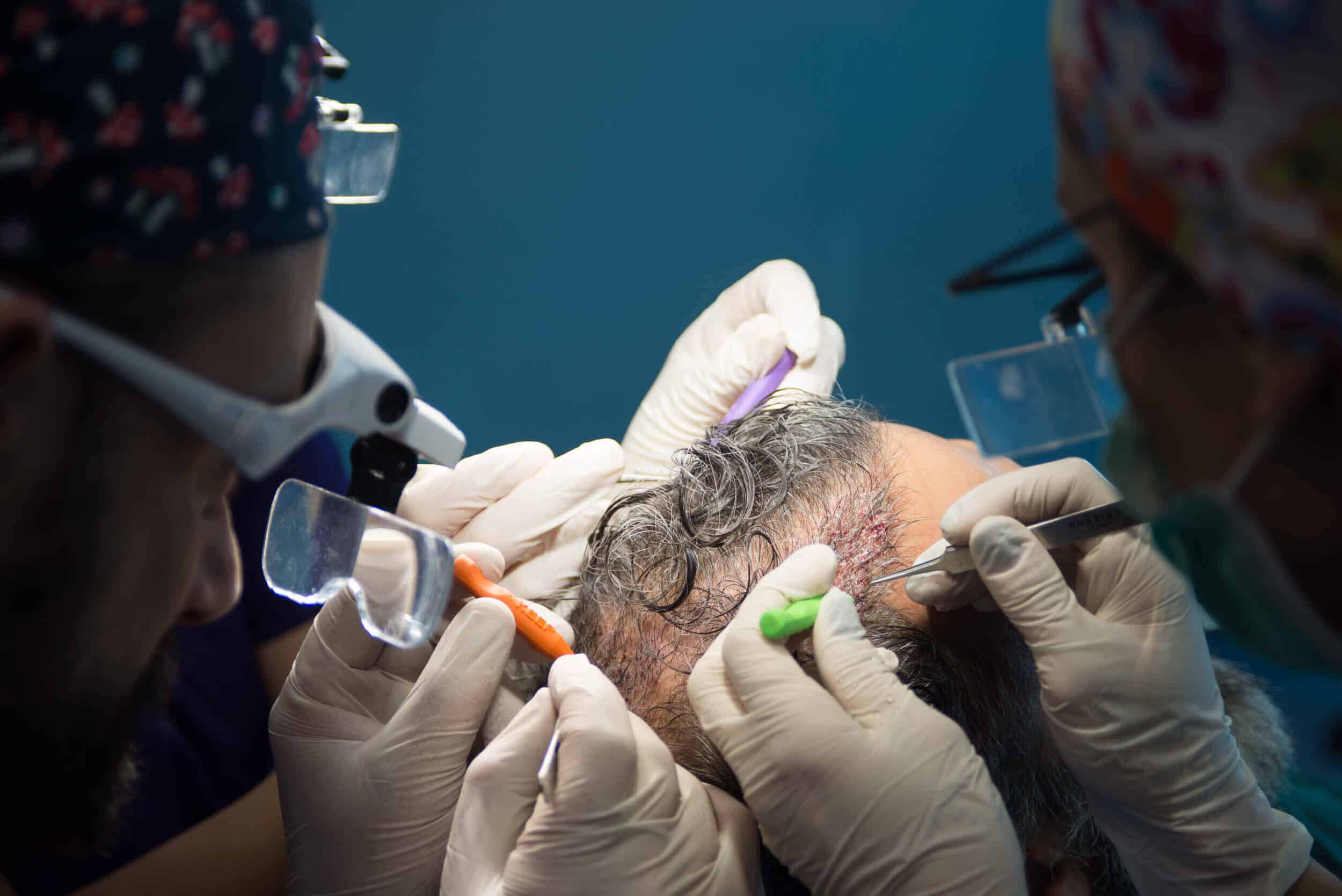
As previously mentioned, the FUE technique is one of the two hair transplantation methods currently in use. In this technique, the entire donor area is initially shaved to 1–2 mm. Partial shaving of the donor area is generally avoided, except when the surgeon has significant experience with this method. The surgical lighting used is LED, which does not dehydrate the grafts, and magnification is at least X5. The donor area is divided into smaller sections, in which local anesthesia is administered gradually.
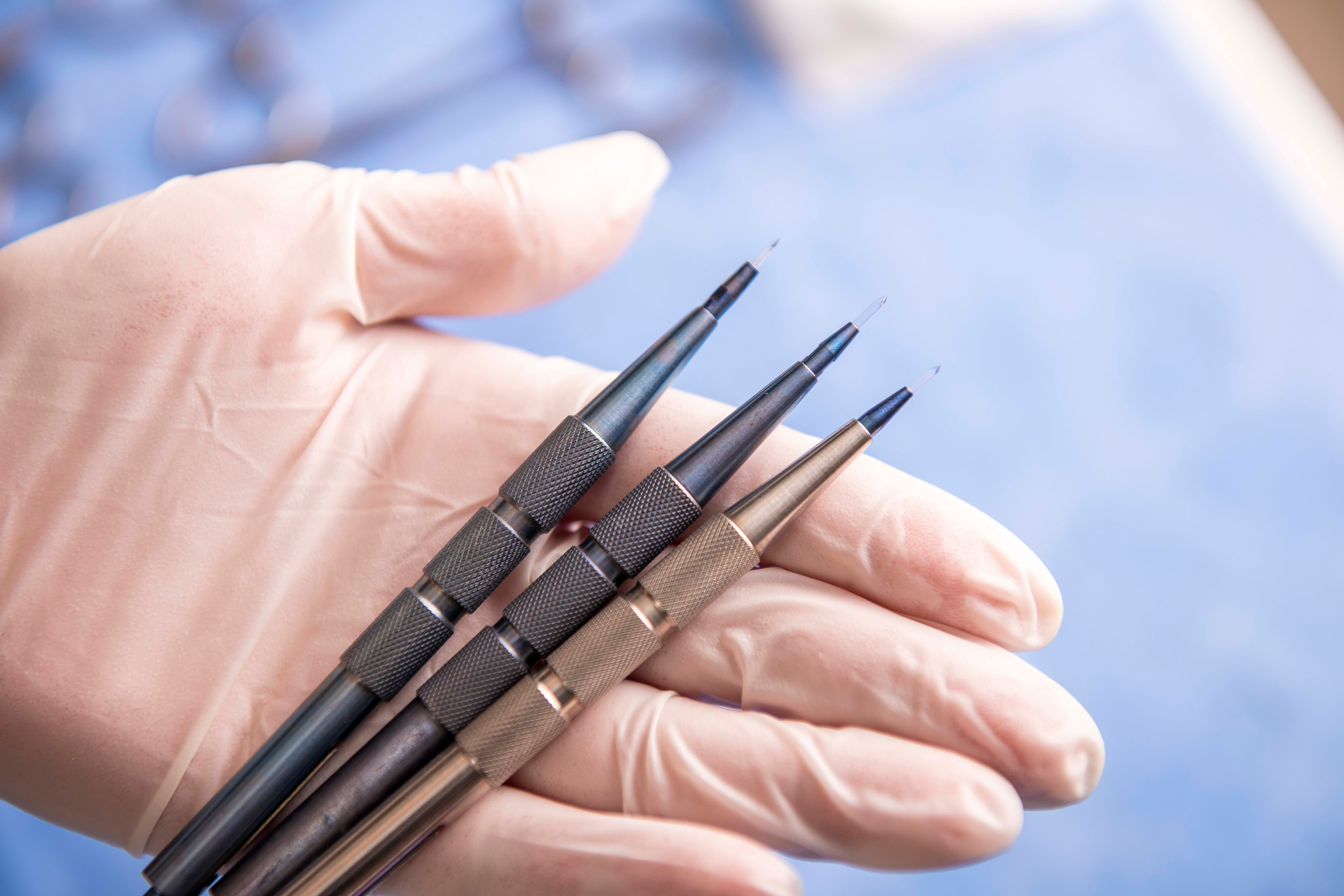
Subsequently, follicular units are detached from the muscle to which they are attached using a specialized instrument (punch). Once this process of follicular isolation is completed, the FUs are extracted from the scalp with the aid of forceps. Finally, after undergoing partial preparation, they are placed in Petri dishes until they are transplanted into the recipient area.
Follicular Unit Transplantation with the FUT Technique
The FUT technique is considered to be quite complex and demanding, as it involves a time-consuming process until the follicular units reach their natural form to be transplanted. Therefore, the technicians involved in each FUT procedure must work both rapidly and with high precision, thereby ensuring minimal trauma and maximal graft survival. This is also the reason why follicular unit transplantation with FUT requires a large team and specialized equipment (microscopes, graft extraction instruments, etc.).
Particularly, hair transplantation procedures involving more than 3000 FUs (the so-called mega-sessions) are extremely demanding, time-consuming, and labor-intensive for both the medical staff and the patient.
Preoperative Instructions for Follicular Unit Transplantation (FUE and FUT Techniques)
Although follicular unit transplantation is a surgical procedure, no special preparation is required for its smooth execution. It is, however, advisable to keep in mind the following:
-
Do not cut your hair for at least 3 weeks before the procedure. It is essential that the hair at the back and sides be at least 1 cm in length in order to cover the suture after the operation. If you have any doubts regarding the appropriate length, it is preferable to let your hair grow longer; we will trim it to the desired length on the day of the procedure.
-
Inform us of any medications you may be taking during this period, as it may be necessary—one week prior to surgery—to discontinue or adjust them, provided this is approved by your treating physician.
-
Avoid taking multivitamins, aspirin, or other non-steroidal anti-inflammatory drugs for 7 days prior to transplantation.
-
Refrain from alcohol for 3 days before surgery.
-
On the day before the procedure, avoid beverages containing caffeine as well as smoking.
Medications containing Finasteride may be taken even on the day of surgery. However, if you are using preparations containing Minoxidil, discontinue their use 4 days prior to the procedure and you may resume treatment 15 days after surgery.
On the day of the procedure:
-
Ensure you have slept well the night before. In the morning, wash your hair thoroughly but do not use styling or camouflage products, and do not apply cologne or perfume.
-
Wear loose, comfortable clothing with a zipper or buttons, and do not forget to bring a hat for after the procedure.
Regarding meals:
-
If your procedure is scheduled for the morning, have a light breakfast before arriving at the clinic, avoiding milk, coffee, or other caffeinated beverages.
-
If your procedure is scheduled to begin in the afternoon, eat a normal breakfast but keep your lunch light.
Transportation and travel:
-
It is advisable to be accompanied by someone or to leave by taxi, as the medication administered during the procedure may cause drowsiness, making driving unsafe.
-
For patients traveling from outside the city, it is recommended not to return immediately after surgery. It is preferable to spend the night in the city and travel back the following morning.
Postoperative Instructions after FUE
After follicular unit transplantation with the FUE technique, on the same day the only requirement is for the patient to rest for the remainder of the day. In general, care must be taken to avoid any head trauma, bending forward, and to adhere to the prescribed spraying of the scalp with saline solution as well as the medication provided by the physician. For the first few nights, it is advisable to sleep with 2–3 pillows.
Gradual return to daily activities is possible, while continuing to avoid alcohol, vitamins and herbal supplements, aspirin, and anti-inflammatory drugs for several more days. Proper care of the recipient area and frequent spraying with saline solution after surgery will minimize scab formation, render the procedure less visible, and promote faster healing. During this period, the patient must also be consistent in taking the prescribed medication.
With regard to washing: in the donor (back) area, you may wash with lukewarm water, gently massaging with the fingertips—never with the nails—strictly according to your physician’s instructions. Shower water, at low pressure, may fall directly on the back of the head without risk of injury to the area. Washing of the recipient (front) area begins a few days after the procedure and only once approval has been given by the physician.
Hairdryers and styling products should be avoided during the first days, as well as concealers (such as Kmax). Those who dye their hair should refrain from doing so until cleared by the physician. If a patient was using Regaine® or other anti-hair loss treatments before the procedure, these may only be resumed with the physician’s approval.
There is a small possibility of experiencing itching either in the donor or in the recipient area after the procedure. This is not a cause for concern, as it is part of the healing process; however, it is important to remember not to scratch the scalp, as this may dislodge the grafts.
In rare cases, swelling may occur during the first few days after the procedure. The swelling usually begins at the hairline and extends to the forehead. This should not be a concern, as it subsides on its own within a short period and requires no special treatment. There is also the possibility of numbness, tingling, or similar sensations due to graft extraction in the donor area. These symptoms typically resolve within a few days and do not leave any lasting discomfort.
Any activity that increases pressure on the donor area (such as rubbing or pressing) should be avoided during the first few days. However, team sports or activities requiring the use of a helmet should be avoided for a considerably longer period, as they carry a higher risk of trauma. Once approved by the physician, the patient may resume these activities.
If the transplantation is performed during the summer months, the only precaution is to avoid direct exposure to sunlight. A hat is the ideal accessory for the summer. Finally, with regard to swimming, this must be discussed with the physician.
Postoperative Instructions after FUT
After the transplantation, on the same day the only requirement is for the patient to rest for the remainder of the day. Care must be taken to avoid any head trauma, bending forward, and to adhere to the prescribed spraying of the scalp with saline solution as well as the medication provided by the physician.
In the following days, it is advisable to wear clothing with buttons or zippers. Gradual return to daily activities is possible, while continuing to avoid alcohol, vitamins, and herbal supplements for several more days. Proper care of the recipient area and frequent spraying with saline solution will minimize scab formation, render the scar less visible, and promote faster healing. During this period, the patient must also remain consistent with the prescribed medication.
With regard to washing, the donor (back) area may be washed with lukewarm water, gently massaging with the fingertips and according to the physician’s instructions. After a few days, it will be possible to wash the entire scalp. Initially, styling products and hair dyes should be avoided. If a patient was using any treatment prior to the procedure, the physician will advise when it may be resumed. There is a small possibility of experiencing itching in either the donor or recipient area after surgery. This is not a cause for concern, as it is part of the healing process.
In rare cases, swelling may occur during the first few days after the procedure. The swelling usually begins at the hairline and extends to the forehead. This should not be a cause for concern, as it resolves on its own and requires no special treatment.
There is also the possibility of numbness, tingling, or similar symptoms due to graft extraction in the donor area and transplantation into the recipient area. These sensations typically disappear within a few days and do not leave any lasting discomfort. The sutures in the donor area are not absorbable and must be removed on the date indicated by your physician.
Any activity that increases pressure on the donor area (such as rubbing, pressing, etc.) and, in general, stretching of the back of the scalp, as well as team sports or sports requiring the use of a helmet, may only be resumed once permitted by the physician. However, light activities such as gentle walking, lifting light objects, and mild leg exercises may be undertaken a few days after the procedure. During the summer months, swimming should be avoided for several days, and a hat should always be worn to protect against sun exposure.
Hairline: The Frame of the Face
The most important area of hair growth is the anterior hairline, a zone approximately 1–1.5 cm in width, along which the transition occurs from the bare skin of the forehead to the scalp.
The hairline is significant because it constitutes the frame of the face. Just as a painting is incomplete without its frame, so too in the male face, once the hairline is restored, the frame of the face is immediately re-established.
The aesthetic importance of the hairline and its proper reconstruction by the hair transplantation surgeon is immense, and the quality of a surgeon’s “work” is judged by the hairline he has designed. At this point, the surgeon’s technical skill and aesthetic perception come decisively into play.
At Anastasakis Hair Clinic, the shape of the hairline is individually designed for each patient, according to their unique characteristics. Our high aesthetic perception, the use of the unique Laser-assisted hairline designer tool, and our dedication to exceptional detail allow us to create a youthful, natural-looking result that lasts forever. The design of the hairline depends on numerous parameters and must be tailored to each patient. Thus, we design the hairline to match the patient’s age, preserving the temporal angles in order to convey an impression of “masculinity” while ensuring harmony with the individual’s appearance over time, since the results of hair transplantation are permanent.
The height of the hairline is typically 9.5–11.5 cm above the point where the nose meets the forehead and 7 cm from the eyebrows. The shape of the hairline should be symmetrical and resemble the shape of the individual’s face, and it can generally be categorized into four main types: round, oval, triangular, and square. Only single-hair follicular units (FUs) are used at the hairline, and those with the smallest diameter are selected in order to achieve a naturally soft transition from the bare skin to the scalp. The grafts are not arranged in a straight row as if along a line, but instead are placed in an irregular, broken pattern. The angle at which the grafts are implanted is also of paramount importance.
The follicles of the hairline always grow forward, creating an acute angle of approximately 60°, and in the hairline itself even up to 90°. The density at which the hairline is transplanted depends on the characteristics of the hair. When conditions allow, densities of up to 40 FUs/mm² at the hairline can be achieved in a single session. These and numerous other technical details and refinements together compose a perfect hairline.
Density Enhancement with Follicular Unit Transplantation
The purpose of density enhancement on the scalp is to achieve greater coverage of the thinning presented by the patient. Typically, patients interested in hair transplantation are those with extensive hair loss or thinning. However, there are also individuals who simply wish to add grafts among their existing hair in order to create the appearance of “full coverage.” Indeed, FUs can be transplanted among pre-existing follicular units in the recipient area, provided that the technique is of the highest quality and every possible effort is made to avoid damaging any viable follicular unit already present in the recipient area.
Beyond employing a technique that is as minimally traumatic as possible, the hair transplantation surgeon must also be able to discern whether there is truly sufficient “vital space” for the transplantation of additional FUs, or whether such intervention would ultimately cause damage to the pre-existing follicles, leading to a result that is aesthetically “thinner” than before. This technique requires extensive experience and should not be attempted by inexperienced surgeons.
Repair of Previous Hair Transplantation (Repair MET) and Trichophytic Closure
By applying the most advanced hair transplantation techniques, it is possible to correct any imperfections and almost all problems arising from older transplantations performed with outdated implantation methods. Unfortunately, even today we continue to see old transplantations that have left large, unsightly scars. However, there are now techniques that allow patients to reduce the width of a scar without the need to implant follicular units into the scar tissue itself, which cannot guarantee their survival. Follicular units are transplanted into scars only when no other option exists.
With the method of trichophytic invisible closure, it is possible to close the donor area in all No-Scalpel Strip cases without exception. In this way, hairs grow directly through the incision, rendering the scar undetectable—even to the patient himself—within 2 weeks. Furthermore, with Trichophytic Invisible Closure™ a slight change in the growth angle of the adjacent follicular units is achieved—approximately 10° more vertical—resulting in superior coverage of the area.
Use of Follicular Units from Other Body Areas (Body Hair – BHT FUE)
The growth pattern of follicular units in body areas other than the scalp is entirely different from that of scalp hair and presents distinct anatomical characteristics. Follicular units harvested from these areas require a completely different extraction technique than usual, and the physician undertaking the procedure must have extensive experience in the FUE method. The extraction of grafts is particularly laborious and fatiguing for both the patient and the physician. The rate of follicular unit extraction does not exceed 50 per hour, even under optimal circumstances. It has been suggested that, unlike classical follicular unit transplantation where grafts retain their original properties, grafts obtained from other body areas and transplanted to the scalp may acquire the properties of scalp follicular units.
To date, there is no scientific proof—only indications—that the hairs transplanted into the scalp will adopt the growth rate of the recipient area (approximately 1.2 cm/month for scalp hair) rather than that of the area from which they were harvested.
The likelihood of inflammation and scarring in the donor area is particularly high when regions outside the scalp are used, necessitating prolonged administration of antibiotics and ultimately leaving visible scars in the areas from which the follicular units were harvested—such as the neck, chest, back, and lower limbs. In contrast, inflammation of any kind never occurs in the scalp due to its rich vascularization, and the use of antibiotics is either unnecessary or applied only as a preventive measure
Hair growth in the rest of the body occurs predominantly in the form of single-hair follicular units, and only rarely as two-hair units. The thickness and diameter of the hairs emerging from these single-hair follicular units on the body are significantly finer than those of the corresponding single-hair follicular units of the scalp. It is not possible to rely on single-hair follicular units to achieve an aesthetically satisfactory result in hair transplantation. Normally, only about 10% of the follicular units on the scalp are single-hair, in contrast to 90–95% of the follicular units of the body and extremities.
Success Rates
Follicular unit transplantation can be a surgical procedure with a 100% natural result. The permanence of the outcome is ensured by nature itself: the transplanted hairs last a lifetime, since the donor area from which the follicular units are harvested—the zone of stable hair growth—is not affected by hair loss. With regard to density and naturalness of the result, responsibility lies with the physician, who, with care and professionalism, extensive experience, and complete specialization, must employ the most advanced techniques to provide the patient with a fully satisfactory outcome.
Of course, the patient is also a significant factor in achieving high success rates, as mentioned earlier. Suitability as a candidate depends on many parameters, such as age, the extent of thinning, and the presence of health problems.
From this, it follows that hair transplantation must always be approached on a fully individualized basis—both in determining whether transplantation should be performed and in deciding which technique should be applied. Taking all these factors into consideration, it is clear that the physician is the only one qualified to provide responsible guidance on whether follicular unit transplantation is appropriate. The physician will recommend proceeding with hair transplantation only when certain that the aesthetic outcome will be lasting, or alternatively will advise another approach if the patient is not deemed a suitable candidate.
How to Choose the Right Physician for Your Follicular Unit Transplantation
Choosing the physician for a hair transplantation is also a very important decision, considering that the result will be permanent and must therefore be absolutely natural and harmonized with the individual’s features—not only now, but also in the future. For this reason, three fundamental criteria must guide your choice: the physician’s experience, technical knowledge, and specialization. Equally important is the physician’s aesthetic perception, as this is what ultimately makes the difference in the aesthetic outcome.
Taking all of the above into account, it becomes clear that the choice of physician should be made calmly and not under the influence of anxiety, panic, or distress. You may request—and the physician is obliged—to show you cases similar to your own, and possibly to put you in contact with some of these patients. Above all, your decision should not be based solely on a physician’s popularity, frequent television appearances, or the number of celebrities he has treated. Remember that hair transplantation is an entirely individualized surgery; therefore, your main concern should be what the physician can do specifically for your case.
Finally, always keep in mind that physicians specialized in follicular unit transplantation are members of international organizations of surgeons such as the I.S.H.R.S. (International Society of Hair Restoration Surgery) or the A.B.H.R.S. (American Board of Hair Restoration Surgery).
Why Should I Choose Your Clinic?
The primary goal of our clinic is for our patients to achieve the best possible aesthetic outcome—not only now, but above all in the long term. We accomplish this by
-
Specialized Surgical Team – Highly trained in follicular unit transplantation, working collectively with speed and flawless coordination.
-
State-of-the-Art Techniques – Application of the most advanced and modern hair transplantation methods available today.
-
Cutting-Edge Equipment – Use of the most specialized stereoscopes worldwide (Mantis), ensuring maximum precision.
-
100% Graft Survival – Guaranteed during graft preparation thanks to specialized equipment and meticulous handling.
-
Teamwork & Responsibility – Impeccable collaboration and professional dedication at every stage of the procedure.
-
Long-Term Aesthetic Results – Focus on outcomes that look natural both immediately and over time.
-
Affordable Pricing – High-quality results delivered at the most accessible cost.
PRP and Follicular Unit Transplantation
Although the PRP technique is widely applied in Greece, it still lacks valid, published scientific results, and therefore we should remain cautious regarding its effectiveness. In the PRP procedure, blood is drawn from the patient, centrifuged in a specialized device, and a highly concentrated solution containing certain growth factors is produced.
This solution is then injected into the scalp, either in combination with hair transplantation to promote faster hair growth, or independently, in the hope of stimulating hair regrowth.
Cost of Follicular Unit Transplantation
The cost of hair transplantation depends on the number of follicular units required to achieve the desired aesthetic result, as well as on the technique employed. As is well known, in hair transplantation we transplant follicular units, not individual hairs.
Hairs grow from follicular units. Each follicular unit may consist of one to four hairs. Regarding transplantation techniques, the physician may choose either the FUT or the FUE method. The FUT technique can yield in a single session as many grafts as the FUE technique would require two or three sessions to achieve. It is therefore evident that the cost of transplantation depends on the number of follicular units, the method applied, and the number of sessions required.
Safety and Optimal Results in Your Hair Transplantation
For a hair transplantation to be a safe procedure—given that it is a purely surgical act—it requires that the facility in which it is performed be fully appropriate and specially equipped for such an operation, and that the physician and staff possess the proper training, experience, and specialization. When these conditions are met, it is ensured that the transplantation will be safe, without any complications or side effects, while the chances of technical error are minimized, guaranteeing an optimal result.
With respect to the outcome, a perfect result can only be achieved when the hair transplantation is carried out in a specially equipped clinic, by a specialized physician, and with the assistance of trained nursing staff. Every step of the transplantation must be executed flawlessly—regarding the design, technique, and strategy employed by the physician—because any error during the process of hair implantation is multiplied by the number of follicular units transplanted. In conclusion, to achieve a perfect and natural result, it is essential that every stage of the transplantation be performed with absolute precision.
 0
0